Worm on the Leaves Redwork Review
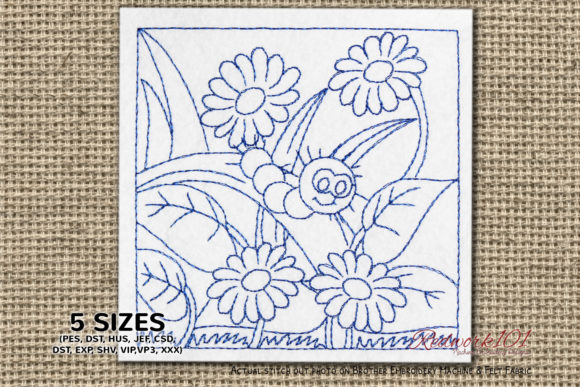
As an embroidery seller who spends hours testing designs for my Etsy shop, I am always looking for that perfect balance between whimsical charm and commercial viability. Today, I am evaluating a specific design from Creative Fabrica called Worm on the Leaves Redwork. At first glance, the title might suggest something strictly botanical or perhaps even reptilian given the "Reptiles" category tag, but the description paints a much softer, more narrative picture. It describes a worm crawling from a leaf to a flower, surrounded by beautiful flora. This is not just a pattern; it is a tiny story waiting to be stitched.
For small shop owners and digital sellers, understanding the visual personality of a design is crucial before adding it to your collection. This piece feels playful, rustic, and deeply nostalgic. It taps into the classic redwork aesthetic, which has seen a massive resurgence in popularity among crafters who love traditional techniques with a modern twist. The inclusion of a worm adds a touch of humor and delight, making it stand out against the sea of generic floral motifs often found on marketplaces. It feels less like a standard decoration and more like a conversation starter.
Visual Personality and Aesthetic Appeal
When I look at Worm on the Leaves Redwork, I see a design that leans heavily into the cute and feminine categories without being overly saccharine. The redwork style typically relies on single-color stitching, which gives it a clean, graphic quality that photographs exceptionally well. This is a significant advantage for online sellers. A high-contrast, single-color design pops on product photography, whether it is placed on a neutral linen tote bag or a soft pastel baby blanket. The surrounding flowers and leaves provide a lush frame for the central character, creating a balanced composition that works well on various product placements.
The aesthetic is best described as playful and classic. It evokes a sense of garden-fresh simplicity. For the Etsy seller, this means the design appeals to a broad demographic: parents looking for unique nursery decor, gardeners who appreciate nature-themed accessories, and anyone who enjoys handmade items with a bit of personality. It is not bold or aggressive; rather, it is gentle and inviting. This makes it particularly effective for personalized gifts, where the emotional connection to the item is just as important as its utility.
Product Applications and Commercial Value
One of the most exciting aspects of this design is its versatility across different product lines. Because it is a machine embroidery design that appears to have a manageable footprint (assuming standard hoop sizes), it can be adapted for numerous handmade products. Here is how I envision incorporating Worm on the Leaves Redwork into a commercial inventory:
- Etsy Listings for Home Decor: This design would look stunning on kitchen towels embroidery projects. Imagine a set of three white flour-sack towels, each featuring a variation of this scene. The whimsical worm adds a touch of joy to daily routines, making it an ideal impulse buy for home goods shoppers.
- Baby Embroidery and Apparel: The gentle nature of the subject matter makes it suitable for baby blankets and bodysuits. Parents often seek out designs that are sweet but not cluttered. The redwork style offers a timeless look that transcends fleeting trends, ensuring the product remains desirable for longer periods.
- Custom Apparel and Tote Bag Design: For the fashion-conscious crafter, this design translates beautifully to sweatshirt embroidery or canvas tote bags. Placing the worm and flowers near the hemline or centered on a chest pocket creates a sophisticated yet fun look. It elevates a basic garment into a boutique merchandise item.
- Personalized Gifts and Patches: The design’s clear imagery makes it excellent for embroidered patches. These can be sold as standalone items for denim jackets or backpacks, or applied to custom apparel for clients seeking a unique identifier.
Furthermore, this design supports seasonal collections effectively. While redwork is often associated with spring and summer due to the floral elements, the earthy tones can also fit into autumn themes if stitched in deeper burgundies or rust colors. This flexibility allows the seller to rotate inventory throughout the year without needing entirely new files.
Buyer-Focused Value and Marketing Potential
From a marketing perspective, Worm on the Leaves Redwork offers several advantages. First, it enhances the perceived value of the finished product. Handmade items with intricate or charming details command higher prices because they signal effort and care. The narrative element—a worm enjoying a flower—invites the buyer to imagine the story, creating an emotional hook that drives sales.
Additionally, the design is highly giftable. Whether it is used on a pillow cover, a cap, or a kitchen towel, the item feels personal and thoughtful. In the realm of social media previews, such designs perform well because they are visually engaging. A video showing the stitching process of the worm emerging from the leaf can capture attention quickly, driving traffic to your shop. The simplicity of the redwork style also means that the final result is consistent and professional, reducing the risk of customer returns due to technical errors.
Practical Seller Notes and Best Practices
Before listing any new digital embroidery file or using it for commercial embroidery, there are critical steps every experienced seller must take. Relying solely on the product description is not enough. Here is my checklist for integrating Worm on the Leaves Redwork into your business:
- Test Stitch-Out: Always create a sample stitch-out on the actual fabric you plan to sell. This reveals how the design interacts with the material’s texture and drape.
- Check Hoop Size and Density: Confirm the hoop size requirements. If the design is large, it may limit your product options. Also, review the stitch density to ensure it is not too heavy for delicate fabrics like baby wear, which could cause puckering.
- Thread Color Experimentation: The description mentions an optional Box Stitch and varying outer box colors. Test multiple thread colors to see which combinations offer the best contrast and visual appeal. Classic red is expected, but navy, forest green, or mustard yellow might offer fresh alternatives.
- Licensing Verification: This is paramount. You must check Creative Fabrica licensing terms carefully. Ensure you have the correct license to sell physical goods made from this design. Different tiers of membership may have different allowances for commercial use.
- Photography and Mockups: Create printable mockups to visualize the design on various products before producing them. High-quality photos of the finished product are essential for converting browsers into buyers.
In conclusion, Worm on the Leaves Redwork is a strong candidate for any embroidery business looking to add charm and variety to their catalog. Its blend of rustic aesthetics, playful narrative, and practical application makes it a versatile asset. By following proper testing protocols and verifying licensing, sellers can confidently bring this delightful design to market, appealing to customers who value creativity and craftsmanship in their handmade purchases.