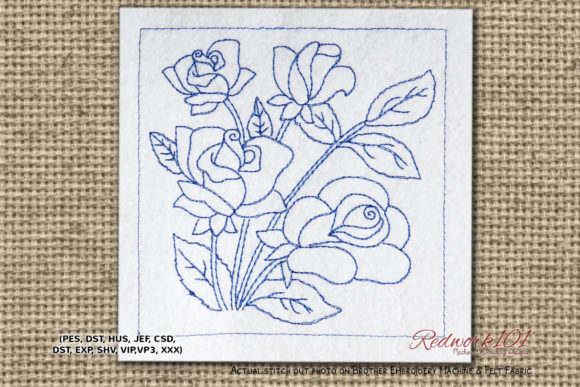
Beautiful Roses with Leaves Redwork Review
As an embroidery designer who spends weekends setting up booths at craft fairs and managing a busy handmade shop, I have learned that visual impact is everything. When customers walk past a table, they do not read descriptions; they react to what they see. This week, I pulled Beautiful Roses with Leaves Redwork from my design library to evaluate its potential for our upcoming market season. The goal was simple: determine if this single flower motif has the commercial viability to drive sales on tote bags, aprons, and gift items.
First Impressions and Aesthetic Appeal
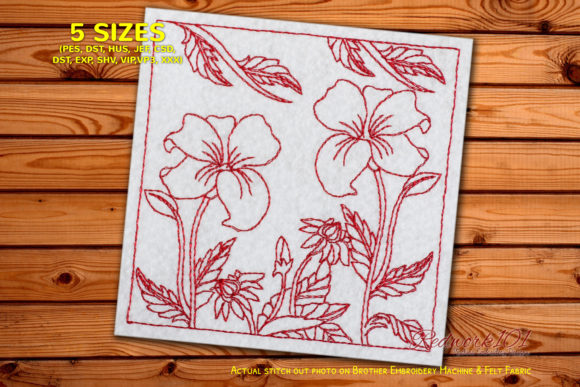
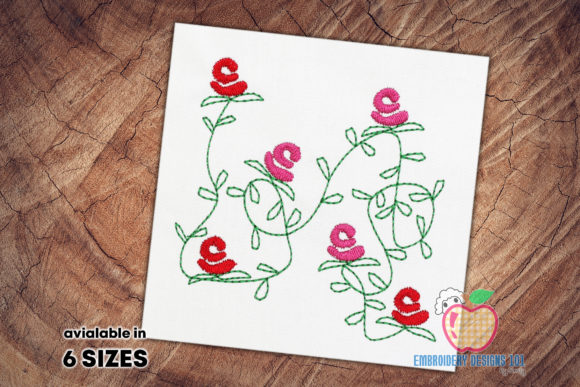
The title suggests a classic, romantic feel, and the description confirms it is a redwork style. In the world of machine embroidery, redwork typically implies outlines or simple fills, often in a single color or limited palette. This gives the design an immediate sense of rustic elegance and timeless charm. It feels less like a trendy, fleeting pattern and more like a staple that fits into farmhouse decor, cottagecore aesthetics, or even modern minimalist branding.
When I first laid out the digital file on my screen, the simplicity struck me. There are no complex gradients or overly dense shading here. Instead, there is clean line work that translates well to thread. The inclusion of leaves adds necessary balance to the roses, preventing the design from looking too sparse. For a booth display, this kind of clarity is vital. At a distance, a cluttered design looks messy, but a well-spaced floral outline reads as premium and intentional. This design sits comfortably in the "soft" and "decorative" categories, making it versatile enough for both serious collectors of handmade goods and casual browsers looking for a quick, beautiful gift.
Product Applications and Market Fit
Not every embroidery file works on every product. To maximize the ROI on this machine embroidery design, we need to look at where it shines. Here is how I envision Beautiful Roses with Leaves Redwork performing across different craft fair products:
- Tote Bags and Market Bags: This is perhaps the strongest application. A large-scale placement on the front of a canvas tote bag allows the rose and leaf details to breathe. The contrast between the sturdy fabric texture and the smooth embroidery threads creates a tactile appeal that shoppers love. It serves as a perfect tote bag design for spring markets or Mother’s Day events.
- Apron Embroidery: Placing the design on the bib or pocket of a kitchen apron is a smart move. The description notes that the outer box stitch is optional and can be skipped. This flexibility is crucial for aprons, where you might want the rose centered without a distracting geometric border. It elevates a basic utility item into a handmade product with character.
- Tea Towel Embroidery: Linen or cotton tea towels are high-margin items. Because the design is relatively open, it does not require excessive stabilizer bulk, which keeps the towel soft and usable. It photographs beautifully for online listings, appealing to buyers who appreciate home accents.
- Embroidered Patches and Caps: If digitized correctly, this motif can be scaled down for caps or sew-on patches. However, caution is needed here. Small lettering or tiny details often get lost on curved cap surfaces. This design relies on clear lines, so it must be kept large enough to maintain legibility.
- Fabric Pouches and Pillow Covers: These items benefit from the "Single Flowers" category focus. A cluster of these roses on a pillow cover creates a cohesive collection look, encouraging buyers to purchase multiple items for a coordinated room setup.
Production Practicality and Quality Control
For any Etsy seller or small business owner, production speed and consistency are key. One of the biggest advantages of Beautiful Roses with Leaves Redwork is its repeatability. Simple outlines tend to embroider faster than dense fill stitches, meaning you can produce more units per hour. This efficiency directly impacts your bottom line.
However, practical considerations must be addressed before hitting the print button. First, check the stitch density. While redwork is generally light, ensure the leaf veins are not too close together, which can cause thread breaks or puckering on thin fabrics. Second, always test the hoop size compatibility. If you plan to use smaller hoops for intricate work on pouches, verify that the design scales down without losing its defining shapes.
Another critical note from the description is the optional box stitch. In many designs, manufacturers include a background frame that may not suit all products. Since this element is optional and varies by colorway, you have the freedom to customize. For a sleek, modern look, skip the box entirely and let the rose stand alone. This adaptability makes it a stronger asset for a diverse inventory.
Photography and Visual Merchandising
In the digital age, your printable mockup is just as important as the physical item. This design lends itself well to photography because of its strong silhouette. Against neutral backgrounds like cream, beige, or denim blue, the redwork stands out sharply. Avoid busy patterns behind the product, as they will compete with the clean lines of the embroidery.
When displaying at a craft fair, group similar items together. Hang the tote bags next to the matching aprons. Use the design assets to create signage that highlights the "Handmade" and "Artisan" qualities. Buyers engage more when they can see the craftsmanship up close. The slight texture of the thread catches the light, adding depth that photos sometimes flatten. Encourage customers to touch the samples.
Essential Designer Notes for Production
Before committing to a large batch, follow these steps to ensure quality:
- Test on Scrap Fabric: Always run a test stitch-out. Check how the thread colors interact with your specific fabric choice. What looks good on screen may wash out on white cotton or disappear on dark navy.
- Use the Right Stabilizer: For items like aprons and towels, cut-away stabilizer is usually best to prevent distortion over time. For lighter fabrics, tear-away might suffice, but stability is paramount for a professional finish.
- Inspect Stitch Density: Look closely at the transition points between the rose petals and leaves. Are there any awkward jumps? Clean transitions signal high-quality digitizing.
- Confirm Commercial Licensing: Before selling finished products, double-check the license terms associated with this digital embroidery file. Ensure you are permitted to sell physical goods made from the design.
- Create Real Mockups: Do not rely solely on digital renders. Create at least one real finished product to photograph. This ensures your listing images accurately represent the texture and scale of the embroidery.
Final Verdict
Beautiful Roses with Leaves Redwork is a solid addition to any small shop product lineup. It balances aesthetic appeal with production ease, making it suitable for both seasoned professionals and those new to commercial embroidery. Its versatility across various handmade gifts and accessories means it can serve as a reliable seller year after year. By paying attention to fabric selection, stabilizer choice, and licensing, you can turn this simple floral motif into a standout success at your next craft fair or online store.