Black Lines Quilting Review
As an embroidery designer who has spent years turning digital concepts into tangible brand assets, I approach every new file with a critical eye. We aren’t just making pretty pictures on fabric; we are building brand identity through texture and thread. Today, I am reviewing the Black Lines Quilting design to determine its viability for small business merchandise, branded patches, and professional uniform applications. This review focuses on practical application, commercial potential, and technical execution for Etsy sellers, boutique owners, and apparel decorators.
First Impressions: Visual Personality and Brand Fit
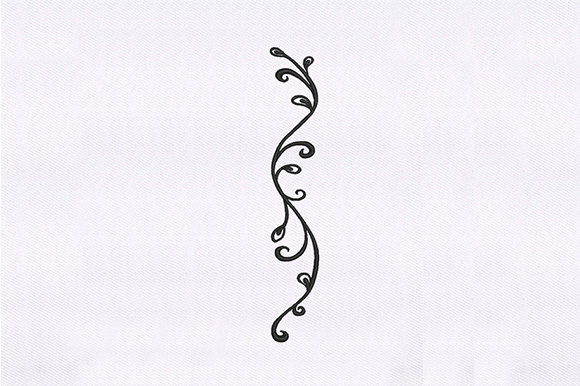
The title Black Lines Quilting suggests a specific aesthetic: structured yet organic, likely leaning towards modern minimalism or rustic elegance. When evaluating a design for commercial use, the first question is always: does this convey professionalism? In my experience, designs that rely on clean outlines rather than heavy fills often translate better to high-end branding because they allow the quality of the stitching to speak for itself.
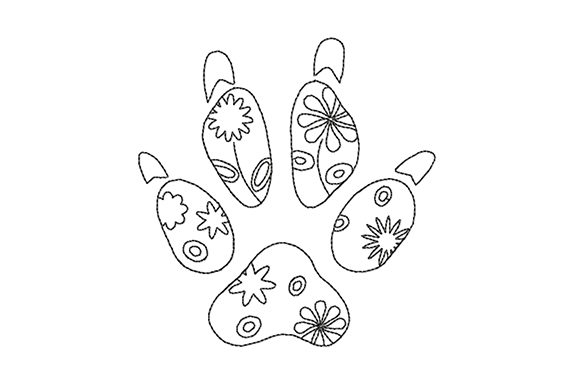
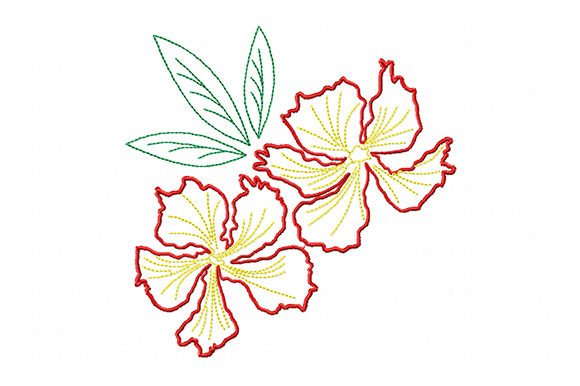
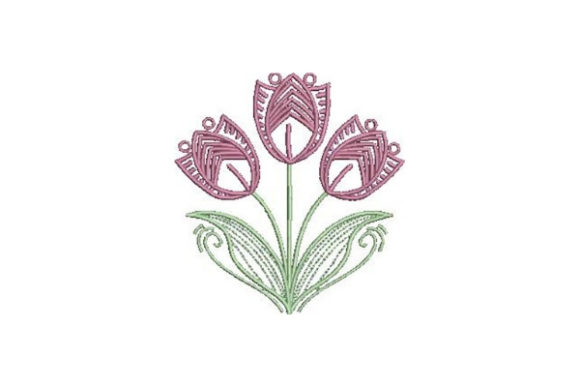
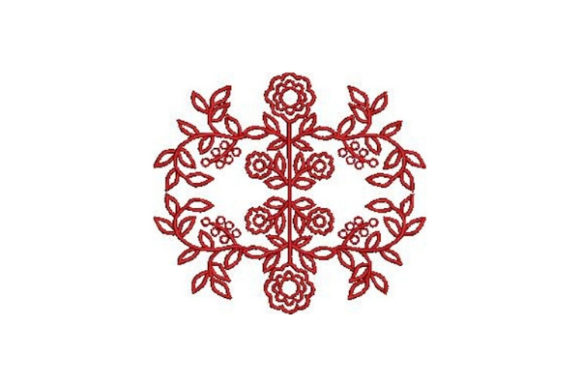
This design appears to fall into the Outline Flowers category, which is a staple in the world of embroidery for handmade products. The "quilting" aspect implies a connection to traditional craftsmanship, warmth, and heritage. For a small café, a boutique bakery, or a florist shop, this visual language communicates trust and attention to detail. It feels premium without being overly ornate. If your brand relies on a handmade product narrative, this design offers a sophisticated way to display that value on customer-facing items.
Real-World Business Applications
The true test of any machine embroidery design is how it performs across various merchandise types. Here is how Black Lines Quilting can be integrated into a small business’s product line:
- Embroidered Patches: This is perhaps the most versatile application. A clean outline design works exceptionally well as a chest logo accent on work shirts or as a detachable patch on denim jackets. Because the design relies on lines, it maintains clarity even when scaled down slightly, making it ideal for consistent branding across different garment sizes.
- Apron Embroidery: For bakeries, coffee shops, or craft studios, branded aprons are essential. Placing Black Lines Quilting on the bib or pocket area adds a touch of artisanal charm. The linear nature of the design ensures it doesn’t overwhelm the wearer, allowing the logo or business name to remain the focal point while adding textural depth.
- Tote Bag Design: Canvas tote bags are a favorite among small business merch creators. The contrast between sturdy canvas and delicate embroidery lines creates a visually striking effect. This design would serve as a subtle yet recognizable mark on reusable shopping bags, enhancing customer trust by signaling quality.
- Cap Embroidery: Structured caps require designs that sit flat and read clearly from a distance. If the Black Lines Quilting design has a balanced width-to-height ratio, it can work beautifully on the front panel. However, curvature must be considered to ensure the lines do not distort awkwardly.
- Product Packaging Accents: Beyond apparel, this digital embroidery file can be used to create custom labels for packaging. Imagine a small patch sewn onto a gift box for a handmade candle or soap line. This elevates the unboxing experience and reinforces visual consistency across all brand touchpoints.
Strategic Considerations and Limitations
While the aesthetic appeal is strong, an experienced designer knows that not every design fits every context. There are specific scenarios where Black Lines Quilting requires careful evaluation before production begins.
Small Patch Sizes and Cap Fronts: If you plan to embroider this design on very small patches (under 2 inches) or on the curved front of a baseball cap, the fine lines may become difficult to distinguish. Thin stitches can break or merge if the density is too low, or look sparse if the density is too high. Always inspect the spacing between lines closely.
High Stitch Density and Fabric Texture: Designs with extensive outlining can sometimes result in higher stitch counts depending on the digitizing. If the underlying fabric has a heavy texture, such as thick wool or coarse burlap, the details might get lost. Conversely, on slippery fabrics like silk, excessive pulling from dense outlines can cause puckering.
Dark Uniforms and Contrast: Since the design is named "Black Lines," it implies a dark colorway. On dark uniforms or black tote bags, you will need to use a contrasting thread color or a light underlay to make the design pop. Without proper contrast, the embroidery will disappear into the background, failing to communicate your brand identity.
Frequent Washing: For items like staff uniforms or kitchen aprons that undergo industrial laundering, the durability of the stitches is paramount. Outline designs are generally durable, but loose ends or tight tension can lead to unraveling over time. Ensure the digitizing includes proper trim commands and secure start/end points.
Impact on Brand Identity and Customer Perception
In the competitive landscape of Etsy branding and local retail, perception is everything. Using a professionally executed Black Lines Quilting design signals to your customers that you care about the finer details. It moves your product from "mass-produced" to "curated."
When a customer sees clean, precise embroidery on a tote bag or a cap, it subconsciously transfers those qualities to the brand itself: precision, care, and reliability. This enhances product value and justifies a higher price point. Furthermore, unique design assets help with buyer engagement; customers are more likely to share photos of aesthetically pleasing branded items on social media, providing free marketing for your business.
Practical Notes for Production Success
Before committing to a large run of embroidered goods, follow these steps to ensure quality control:
- Test in Black and White: Print the design file in grayscale to evaluate the balance of negative space and line weight. This helps identify if the design is too busy or too sparse.
- Check Hoop Size and Stability: Confirm the recommended hoop size for the design. Ensure your machine can accommodate it without distortion. Use the appropriate stabilizer for your fabric type to prevent shifting.
- Review Thread Color Contrast: Test the design with actual threads on the final fabric. Colors on screen rarely match thread exactly. Adjust the thread colors if necessary to ensure readability.
- Create a Printable Mockup: Before cutting fabric, generate a printable mockup to show clients or stakeholders. This allows for approval on placement and scale without wasting materials.
- Compare Beside Other Assets: Place the design next to your existing logos and fonts. Does it complement them? Does it fit the overall design assets library?
- Confirm Commercial Licensing: Most importantly, verify the licensing terms of the Black Lines Quilting file. Ensure you have the right to use it for commercial embroidery projects, including selling finished goods. Check the available formats (10O, ART, CND, DSB, DST, DSZ, EXP, HUS, JEF, PCS, PEC, PES, TAP, VIP, VP3, XXX) to ensure compatibility with your equipment.
By treating Black Lines Quilting as a strategic business tool rather than just a decorative element, you can leverage its elegant simplicity to enhance your brand’s presence. Whether used on a single apron or a thousand tote bags, this design has the potential to elevate your finished product and strengthen the connection with your audience.