Orange Light Flowers Embellishment Outline Review
When I sit down to evaluate a new digital embroidery file, my first instinct is rarely about the colors or the specific motif. It is about utility. Can this design survive the transition from a screen to fabric? Will it hold up when stitched on a busy weekend for a client order? Today, I am putting Orange Light Flowers Embellishment Outline through that same rigorous practical filter. As an experienced designer and reviewer, I look beyond the pretty preview image to assess how this machine embroidery design functions in real-world applications, particularly for small business owners and crafters who need reliable assets.
The product description highlights "light colors" and an "elegant design" suited for spring themes. While that sounds pleasant, my job is to determine if the structural integrity of the Outline Flowers category supports that promise. This isn't just a decorative element; it is a commercial asset. Whether you are an Etsy seller looking to refresh your boutique inventory or a hobbyist making personalized gifts, understanding the nuances of this embroidery project is crucial before you hit the start button on your machine.
First Impressions: Mood and Visual Personality
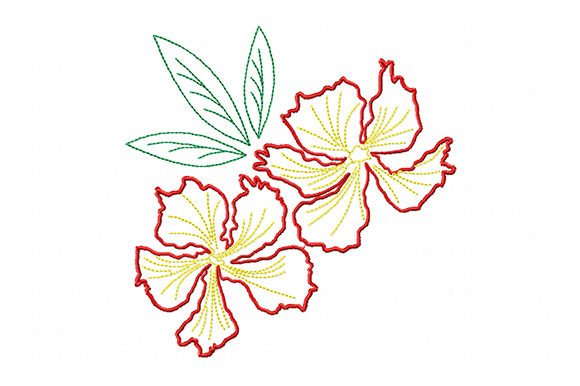
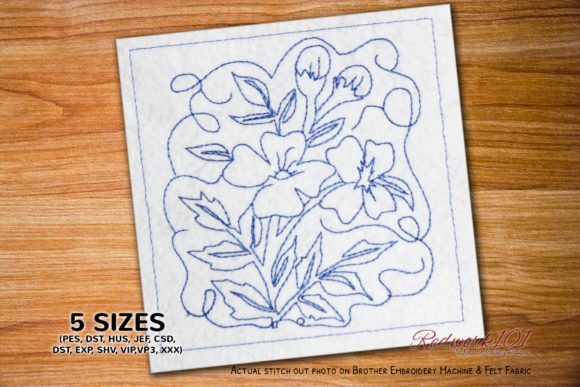
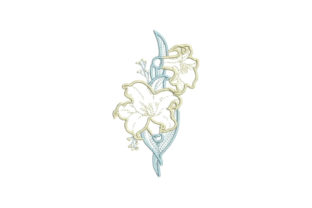
The moment you open the file, the aesthetic direction is clear. The name Orange Light Flowers Embellishment Outline suggests a delicate, airy composition. In the world of embroidery files, outline designs often carry a risk: they can look sparse or unfinished if the spacing isn't perfect. However, this design appears to strike a balance between minimalism and presence. The light color palette implies a softness that works exceptionally well for spring-themed projects, evoking feelings of renewal and warmth.
Visually, the design feels organic rather than rigid. For designers, this matters because it allows for more flexible placement on garments and accessories. It doesn’t demand to be centered perfectly; it invites interaction with the fabric’s texture. The elegance mentioned in the description translates to clean lines and thoughtful negative space. This is not a heavy, dense block of thread that will warp thin fabrics. Instead, it offers a refined touch that elevates a simple garment without overwhelming it. For those selling custom apparel or handmade products, this subtlety is a major selling point. It signals quality and attention to detail, which builds customer trust.
Real-World Application: Where This Design Shines
To truly understand the value of this asset, we have to imagine it in use. Let’s consider a common scenario for many Etsy sellers and small shop product creators: preparing a batch of custom embroidered tote bags for a spring market or a wedding favor event. The Orange Light Flowers Embellishment Outline fits this context beautifully. On a canvas tote, the light threads would pop against natural beige or white fabric, creating a fresh, inviting look that appeals to buyers seeking artisanal goods.
Similarly, think about baby items. A onesie or a burp cloth featuring this design would offer a gentle, gender-neutral option that parents appreciate. The outline style ensures that the stitching remains lightweight, which is critical for baby clothes where comfort is paramount. Heavy fill stitches can be scratchy and stiff, but an outline design like this maintains the fabric’s drape. It transforms a basic item into a personalized gift without adding bulk.
For commercial embroidery professionals, this design is versatile enough for corporate branding or boutique merchandising. Imagine it on a high-quality apron for a local bakery or a linen tea towel set. The elegant nature of the Outline Flowers theme aligns well with brands that want to convey sophistication and care. It also works well as a decorative accent on sweatshirts or caps, where a large, heavy design might look cluttered. By using this as an embellishment rather than the main focal point, you create a layered, professional look that encourages buyer engagement.
Technical Considerations and Potential Pitfalls
While the aesthetic appeal is strong, no designer should proceed without caution. The very features that make this design elegant—its lightness and outline structure—require careful handling. First, consider the hoop size. If you attempt to stitch this on a surface area smaller than the design’s intended scale, the details may become cramped or lost. Always verify the dimensions before placing it on small items like embroidered patches or cap fronts. If the design is too large for the available space, it will lose its impact.
Fabric choice is equally critical. Because this is an outline design, it relies heavily on the contrast between the thread and the base material. Stitching light-colored threads onto dark fabric without proper underlay or backing can result in poor coverage and a muddy appearance. Conversely, on very textured fabrics, such as heavy tweed or boucle, the fine lines of the outline might get lost in the weave. In these cases, a stabilizer is non-negotiable to ensure the stitch density remains consistent and the design doesn’t pucker.
Another area to watch is stretchy fabric. If you are applying this to knitwear, such as a jersey t-shirt or a sweatshirt, the lack of dense fill means there is less thread tension holding the fabric together. Without a cut-away stabilizer, the outline could distort over time, especially after washing. For finished product longevity, always test the stability of the bond between thread and fabric. Additionally, be mindful of curved surfaces like hats. An outline design can sometimes follow the curve awkwardly if not digitized with appropriate compensation. Check the digitization for any gaps or overlaps that might appear when the flat design meets a three-dimensional form.
Practical Designer Notes for Success
Before committing this digital embroidery file to a production run, I recommend a few standard testing protocols. First, always stitch a sample on scrap fabric that matches the weight and texture of your final product. This reveals how the thread colors interact with the specific material. Second, inspect the small details closely. Outlines often contain tiny connecting points or corners that can break if the stitch density is too low or the trim settings are aggressive. Use black and white mockups to check the visual balance; sometimes color masks structural flaws that become obvious in monochrome.
Furthermore, confirm the licensing terms. If you plan to sell finished items or use this as part of a design assets package, ensure you have the right to do so commercially. Many craft business owners overlook this step until they receive a cease-and-desist notice. Finally, think about your presentation. When you photograph the finished product for your printable mockup or online listing, the light, elegant nature of the Orange Light Flowers Embellishment Outline pairs well with natural lighting and minimalist backgrounds. This enhances the perceived value of the item and helps justify premium pricing.
Final Verdict
The Orange Light Flowers Embellishment Outline is a thoughtful addition to any designer’s library. It offers a sophisticated, spring-ready aesthetic that works across a wide range of mediums, from tote bag design projects to delicate baby embroidery. Its strength lies in its versatility and elegance, making it suitable for both personal creative expression and professional small business merchandise. However, success depends on proper execution. By respecting the limitations of outline designs regarding fabric choice, stabilization, and scale, you can transform this digital file into a stunning physical reality. For those willing to put in the preparation work, this design promises high customer satisfaction and a polished, professional finish.