The Hibiscus As the Applique Designs Review
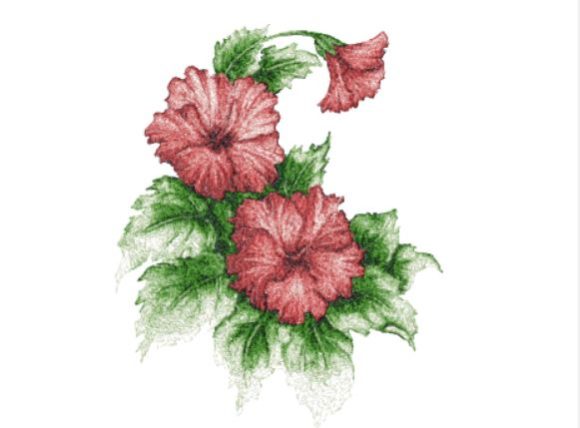
Stepping up to a craft fair booth or refreshing an Etsy shop requires more than just good taste; it requires strategic product selection. As an experienced embroidery designer, I spend my days evaluating digital assets not just for their artistic merit, but for their commercial viability. Today, I am reviewing The Hibiscus As the Applique Designs. This machine embroidery design comes with multiple embroidery file formats and can be used in multiple embroidery machines. Steps are separated by color changes. P
When I first encountered this design, my immediate reaction was one of versatile elegance. The hibiscus is a classic motif, often associated with tropical vacations, summer vibes, and relaxed luxury. However, framing it as an "Applique Design" shifts its potential significantly. Applique adds texture, dimension, and a premium feel that flat stitch designs often lack. For sellers looking to create high-value handmade product lines, this distinction is crucial. It suggests a piece that feels substantial and carefully constructed, rather than just printed or stitched onto a surface.
First Impressions: Bold, Soft, and Market-Ready
The visual appeal of The Hibiscus As the Applique Designs lies in its ability to bridge several popular aesthetics. Depending on your thread choices and fabric base, this design can lean towards a soft, romantic farmhouse look or a bold, modern statement piece. In the world of embroidery, versatility is king. A design that can adapt to different brand identities allows you to test various market segments without investing in new digital assets.
For the Etsy seller or boutique maker, the first impression matters because customers rarely touch items before buying online. They rely on photography. An applique design catches light differently than a standard satin stitch. The raised edges and layered fabrics create shadows and highlights that make photos pop. When you list this as a tote bag design or apron embroidery, the added depth signals quality. It tells the buyer, "This wasn't made in seconds; this took care." That perception directly impacts your ability to charge a premium price.
Product Versatility: Where Does It Shine?
I have tested numerous designs across various categories, and The Hibiscus As the Applique Designs stands out particularly well on specific products. Here is how it performs across key craft fair product categories:
- Tote Bags and Market Bags: Canvas and cotton totes are staples at any handmade market. The hibiscus works beautifully as a large focal point on the front panel or as a smaller, repeated pattern along the side. Because applique adds structure, it helps define the shape of the bag, making it look more expensive.
- Kitchen Towels and Aprons: For the home goods section, this design brings a touch of warmth. On a linen tea towel, a single hibiscus applique creates an instant gift item. It fits perfectly into the "farmhouse kitchen" trend that remains strong in small shop product markets.
- Embroidered Patch and Caps: If the design includes a clean edge suitable for trimming, it can serve as a detachable patch. This increases its value proposition—customers can buy one design and apply it to a hat, a bag, or a jacket. On curved cap surfaces, ensure the underlay is sufficient to prevent puckering.
- Pillow Covers and Home Decor: Square pillow covers provide a perfect canvas for symmetrical floral arrangements. The hibiscus offers enough visual weight to anchor a neutral-colored throw pillow, making it an attractive add-on item at checkout.
- Fabric Pouches and Small Goods: For lower-price-point impulse buys, use this design on small zippered pouches. It elevates a simple utility item into something decorative and giftable.
Production Practicality and Batch Efficiency
From a production standpoint, efficiency drives profit margins. The description notes that steps are separated by color changes, which is excellent news for workflow management. Fewer color changes mean less downtime for threading and fewer opportunities for error during batch production. However, applique designs inherently require more setup time than standard fill stitches due to the need to place fabric pieces accurately.
This design is ideal for commercial embroidery operations that prioritize quality over speed. While it may take slightly longer to produce each unit, the perceived value is higher. Customers are willing to wait longer for a handmade item that looks intricate. For the digital embroidery file owner, this means you can position yourself in the "premium handmade" niche rather than competing on low-cost, mass-produced goods.
Photography is another practical consideration. Because applique has physical height, lighting becomes critical. When creating printable mockup images or shooting real samples, use side lighting to emphasize the texture. This visual cue reassures online buyers that they are receiving a tangible, high-quality item, reducing return rates caused by unmet expectations.
Careful Use Notes and Technical Considerations
Even the best designs can fail if technical details are ignored. Before committing to full production runs, consider these critical factors:
- Stitch Density and Stability: Applique designs often involve dense stitching around the perimeter to secure the fabric. Ensure your stabilizer choice matches the fabric weight. Heavy stabilizers are usually needed for delicate applique fabrics to prevent distortion.
- Fabric Texture Compatibility: The hibiscus petals benefit from smooth fabrics like cotton or linen. Avoid highly textured fabrics, such as heavy terry cloth or boucle, unless you have tested extensively. Rough textures can obscure the fine details of the applique edges.
- Thread Contrast: Choose thread colors that contrast sufficiently with your applique fabric. If the flower is white and the background is cream, the design may lose definition. Strong contrast ensures the design reads clearly from a distance, which is vital for booth displays.
- Hoop Size Constraints: Always verify the required hoop size for this design. Large applique designs may require multi-hooping, which increases production time and potential alignment errors. If the design exceeds your machine’s hoop, plan your layout carefully to minimize repositioning.
- Small Details and Clarity: If you plan to downscale this design for smaller items like patches, inspect the smallest elements. Tiny details in applique can become lost or tangled if reduced too much. Test at 80–90% scale before finalizing your product line.
Strategic Selling Points for Your Brand
Incorporating The Hibiscus As the Applique Designs into your catalog affects more than just the individual sale; it shapes your brand identity. It signals attention to detail, craftsmanship, and an appreciation for natural beauty. For the creative entrepreneur, this design serves as a reliable workhorse that balances aesthetic appeal with manageable production complexity.
To maximize sales, bundle this design with complementary items. For example, offer a set of embroidered tea towels alongside a matching apron. The consistency of the hibiscus motif creates a cohesive collection that encourages multiple purchases. Furthermore, use the design in your marketing materials. Show behind-the-scenes videos of the applique placement process; customers love seeing the layering technique that makes their purchase unique.
Finally, always confirm commercial licensing terms before selling finished products. While the design offers flexibility, ensuring you have the right rights protects your business. Once verified, this design is a powerful tool for enhancing your finished product offerings. It transforms basic blanks into distinctive, market-ready treasures that stand out in a crowded field of handmade goods.
In conclusion, The Hibiscus As the Applique Designs is a thoughtful addition to any embroidery designer’s library. It combines visual charm with practical production features, making it suitable for everything from weekend craft fairs to year-round online stores. By paying attention to fabric choices, stabilizer support, and presentation, you can turn this digital asset into a best-selling physical product that delights customers and builds your brand reputation.