Flowers Design Embroidery Review
As an embroidery designer who spends hours digitizing, testing, and refining patterns for both personal enjoyment and commercial clients, I am always on the lookout for designs that balance aesthetic charm with technical reliability. When browsing Creative Fabrica embroidery collections, I often find pieces that are visually striking but practically challenging to execute. Recently, I evaluated a product titled Flowers Design, categorized under Single Flowers, to determine if it holds up in a real-world production environment. This review is based on my experience assessing this design for potential use in handmade products, Etsy listings, and boutique merchandise.
First Impressions: Visual Mood and Stitch Personality
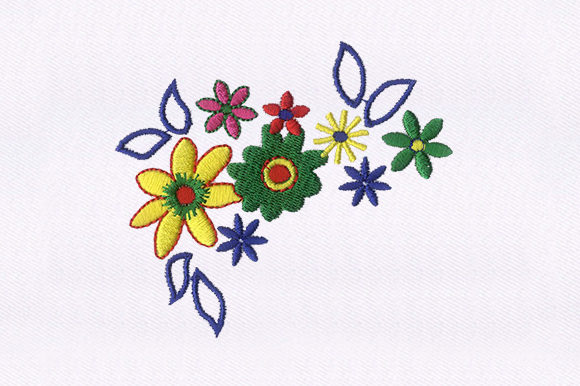
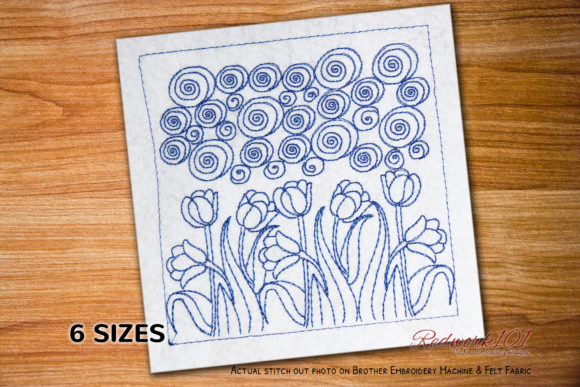
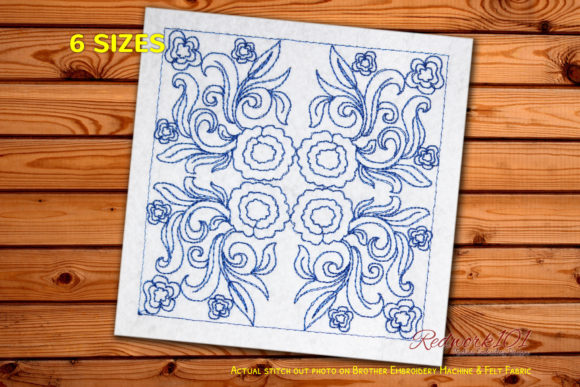
The immediate appeal of the Flowers Design lies in its delicate structure. Described as a "bluework embroidery" piece, it offers a monochromatic or tonal aesthetic that feels both classic and modern. Bluework, traditionally characterized by white thread on dark fabric or contrasting tones, lends itself beautifully to high-end finishes. The visual mood is soft yet defined, making it suitable for projects where elegance is preferred over bold, loud graphics.
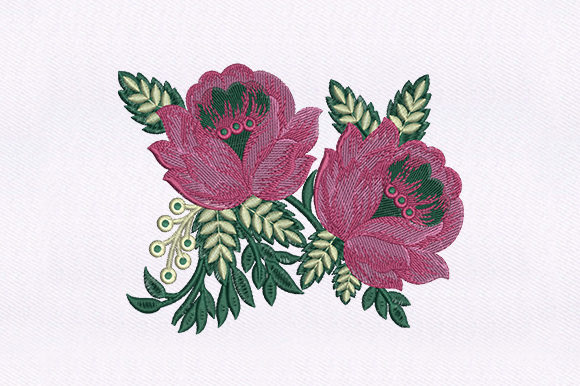
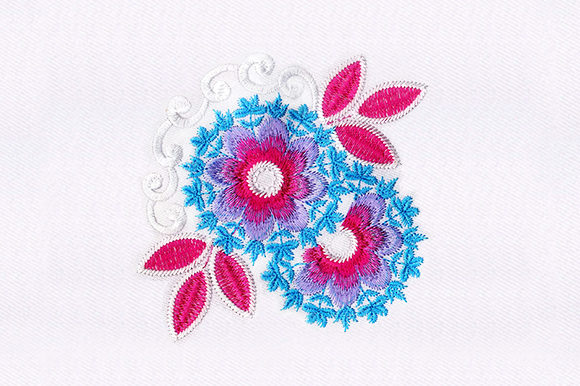
In terms of detail level, the design appears to rely heavily on precise line work rather than massive blocks of color. This suggests a reliance on satin stitches for outlines and potentially fill stitches for inner petal textures. For designers, this is often a double-edged sword: it looks beautiful when stitched correctly, but it demands high-quality thread and proper tension settings. The decorative appeal is strong, particularly for audiences seeking a refined look for nursery decor or sophisticated apparel.
Real-World Application: Where Does It Fit?
When considering this embroidery file for actual production, I looked at how it translates across various mediums. The versatility of a single flower motif allows it to adapt well to several categories:
- Custom Apparel: A small-scale placement on the chest of a sweatshirt or the pocket of a tote bag design creates a subtle, chic accent.
- Baby Items: The gentle floral theme makes it ideal for baby blankets, burp cloths, or onesies, provided the stitch density is not too abrasive against sensitive skin.
- Home Decor: On kitchen towels or pillow covers, the bluework style can mimic traditional linen embroidery, adding a farmhouse or cottage-core vibe that sells well during seasonal transitions.
- Accessories: For cap embroidery or embroidered patch applications, the compact nature of a single flower works well within standard hoop sizes without overwhelming the curvature of the item.
This design is not just a digital asset; it is a tool for creating a finished product that tells a story. Whether you are selling printable mockups to other creators or shipping physical goods to customers, the aesthetic consistency of this pattern supports brand identity for shops focused on feminine, vintage, or minimalist styles.
Technical Considerations and Practical Challenges
No review of a machine embroidery design is complete without addressing the technical realities of stitching it out. Based on the description and typical characteristics of this style, there are several critical factors to consider before integrating this into your workflow.
Hoop Size and Stitch Density
The prompt notes that the box stitch shown in pictures is optional and that outer box colors may vary. This implies that the core design might be quite small or modular. Small hoop sizes are common for single-flower motifs, which means you must ensure your stabilizer choice matches the fabric weight. If the stitch density is high, even a small area can become stiff. For stretchy fabrics like jersey used in custom apparel, a cut-away stabilizer is non-negotiable to prevent puckering after washing.
Thread Color Contrast
Since this is described as bluework, contrast is key. If you plan to use this on light fabric, you will need a very light thread (like ivory or white) to achieve the intended effect. Conversely, on dark fabrics, the same thread will pop dramatically. However, if the design includes multiple thread colors beyond the main bluework element, you must verify the thread count. Using the wrong thread type—such as polyester instead of rayon—for fine details can lead to breakage or loss of definition.
Stitch Types and Detailing
Inspecting the design closely reveals a mix of satin stitch for edges and likely running stitch or tiny fill stitches for texture. Satin stitches on curved petals require frequent trim jumps or pull compensation adjustments in the digitizing software to lay flat. If the digitization is poor, these areas can look bubbly or distorted. Always test on scrap fabric first to check for thread breaks, especially in tight corners or tiny lettering if present.
Affecting Product Value and Buyer Trust
For Etsy sellers and craft fair vendors, the quality of execution directly impacts buyer trust. A poorly stitched flower design can make a handmade product look cheap, regardless of the base material quality. By using a well-digitized digital embroidery file like Flowers Design, you signal professionalism. Customers appreciate the nuance of bluework because it mimics hand-stitched heirloom qualities, which justifies a higher price point.
Furthermore, the design’s simplicity aids in product photography. A clean, single-flower motif stands out clearly in photos, allowing the texture of the embroidery to be the focal point. This enhances customer engagement, as buyers can see the craftsmanship in the images. It also reduces returns due to "design not matching expectations," as the scope of the design is limited and easier to visualize on the final garment.
Final Verdict and Best Practices
The Flowers Design is a strong candidate for designers looking to add a touch of elegance to their catalog. It fits seamlessly into the world of commercial embroidery, offering a timeless look that appeals to a broad audience. However, success depends on preparation.
Before placing any orders, please adhere to these practical steps:
- Check File Details: Verify the specific file formats, recommended hoop size, and stitch count on the Creative Fabrica product page. These details are crucial for planning your production time.
- Licensing Confirmation: Confirm the licensing terms regarding commercial use. Ensure you have the right to sell finished items made from this design.
- Test Stitch-Outs: Never assume a design will stitch perfectly on the first try. Test on the actual fabric you intend to use, including the stabilizer, to adjust tension and hooping techniques.
- Mockup Comparisons: Create both light and dark fabric mockups to see how the thread colors interact with different backgrounds. This helps in setting accurate customer expectations.
If you are an experienced embroiderer comfortable managing fine details and thread contrasts, this design offers excellent value. It provides a versatile, attractive option for enhancing everything from aprons to tote bags, helping you create memorable handmade gifts and durable custom apparel. Just remember to respect the nuances of the digitization, and it will serve your business well.