Red Poppy Flower Design: A Designer’s Review for Small Business Merch
As an experienced embroidery designer, I spend my days analyzing how digital files translate into physical products. When a small business owner or Etsy seller asks me to review a design like the Red Poppy Flower Design, they aren’t just looking for something pretty; they are looking for a reliable asset that enhances their brand identity and survives the rigors of commercial production. This review evaluates whether this single flower motif is ready for your embroidered patches, staff uniforms, or boutique merchandise.
First Impressions and Visual Personality
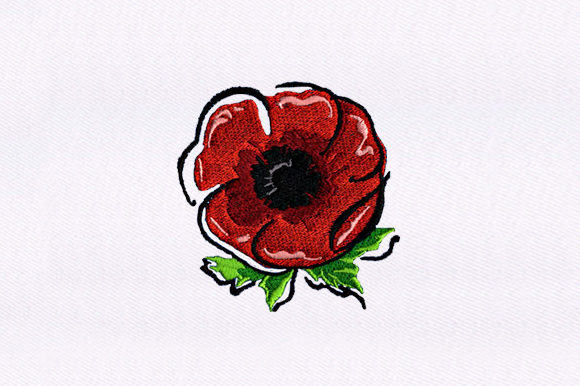
The title "Red Poppy Flower Design" suggests a classic, bold aesthetic. In the world of machine embroidery, red poppies often carry connotations of remembrance, passion, nature, and rustic elegance. From a design perspective, this implies a strong visual anchor. It is not a subtle background texture; it is a statement piece.
For a handmade brand, a local café, or a florist shop, this design likely offers a friendly yet professional look. It feels organic and approachable, which is crucial for customer engagement. Unlike geometric or abstract designs that can feel cold, a floral element like a poppy adds warmth to branded products. However, because it is categorized under "Single Flowers," we must consider its isolation. Does it stand alone effectively? For most small business applications—such as a chest logo on a work shirt or a center mark on a tote bag—a solitary, well-proportioned flower works beautifully without needing complex surrounding text or borders.
Real-World Business Applications
The true test of any embroidery file is its versatility across different product categories. Here is how the Red Poppy Flower Design performs in specific commercial scenarios:
- Embroidered Patches: This design is ideal for creating iron-on or sew-on patches. The distinct shape of a poppy translates well to patch formats, especially when bordered. These patches can be used as branding elements on denim jackets, backpacks, or corporate swag bags.
- Staff Uniforms and Aprons: For bakeries, cafes, or boutique retail staff, a subtle red poppy on the left chest area projects a polished, attentive image. It is less aggressive than a large graphic but more memorable than a plain logo. On canvas aprons, the red color will contrast sharply against natural or black fabrics, ensuring visibility.
- Cap Embroidery: Caps are a staple of small business merch. A single poppy centered on a baseball cap or structured visor offers a clean, minimalist look. It avoids the cluttered appearance that can happen with overly detailed designs on curved surfaces.
- Tote Bag Design: Canvas tote bags are ubiquitous for crafters and bookstores. A red poppy design here serves as a walking advertisement. Because the design is relatively simple, it holds up well to frequent washing and handling, maintaining its crispness over time.
- Product Packaging Accents: Beyond apparel, this design can be stitched onto fabric labels attached to clothing lines, cosmetic bags, or handmade goods. It adds a tactile, premium feel to the unboxing experience, elevating the perceived value of the handmade product.
Where to Use Caution
While the Red Poppy Flower Design has strong potential, there are specific constraints every embroiderer must respect. Ignoring these can lead to production failures and dissatisfied customers.
- Small Patch Sizes: If you intend to make very small patches (under 2 inches), you must inspect the stitch density. Fine details in the center of the flower may merge together if the scale is too small. Always test at the actual production size.
- Curved Surfaces: While caps are good candidates, highly curved items like beanies or fitted sleeves can distort the symmetry of a single flower. Ensure your digitizing software accounts for the curvature of the garment during the stitching process.
- Dark Uniforms and Fabric Texture: Red pops against light backgrounds, but on dark fabrics, you need sufficient thread coverage. If the fabric has a heavy texture, such as thick wool or rough burlap, fine outlines may get lost. Consider using a denser fill stitch for the petals to ensure opacity.
- Frequent Washing: For items like work shirts or cafe aprons that undergo industrial laundering, the stability of the design is key. Loose threads or insufficient backing can cause the design to pucker or unravel over time.
Impact on Brand Identity and Professionalism
Choosing the right design assets directly influences how customers perceive your business. The Red Poppy Flower Design communicates reliability and attention to detail. When a customer sees a professionally executed floral logo on a high-quality item, it signals that the brand cares about craftsmanship.
This consistency builds trust. If your social media marketing uses similar floral imagery, having matching embroidered merchandise creates a cohesive visual language. It transforms a simple transaction into a brand experience. Furthermore, for Etsy sellers and craft business owners, unique but recognizable motifs help in standing out in a crowded marketplace. A well-executed poppy design can become synonymous with your specific niche, whether that is sustainable fashion, artisanal food, or wellness products.
Practical Embroidery Designer Notes
Before you upload this file to your production machines, follow these essential steps to ensure quality control:
- Test in Black and White: Convert the design to monochrome to check its silhouette. If it loses definition without color, the underlying structure may be too weak for embroidery.
- Check Hoop Size: Verify that the required hoop size fits your available equipment. Large designs may require multi-hooping, which increases production time and potential alignment errors.
- Review Thread Color Contrast: Ensure the chosen thread colors provide enough contrast against your target fabric. You might need to adjust the shade of red or add a contrasting outline to make the design pop.
- Inspect Spacing and Density: Look closely at the transition between stitches. Are there gaps? Is the underlay dense enough to stabilize the fabric? Poor spacing can lead to puckering, especially on lightweight materials.
- Confirm Commercial Licensing: This is critical. Before using this design for commercial embroidery projects, verify that you have the proper license to sell finished goods featuring this artwork. Unauthorized use can lead to legal issues.
- Create a Printable Mockup: Before committing to expensive fabric and thread, generate a printable mockup to show clients or stakeholders. This helps visualize the final product and allows for adjustments before mass production begins.
- Use Proper Stabilizer: The choice of stabilizer (cut-away vs. tear-away) depends on the fabric. For stretchy knaps or delicate silks, a cut-away stabilizer provides necessary long-term support.
File Format Compatibility
The product description lists extensive compatibility, including formats such as PES, DST, JEF, EXP, HUS, VP3, VIP, PEC, XXX, TAP, PCS, CND, DSB, DSZ, ART, and 10O. This wide range ensures that regardless of your machine brand—whether it is Brother, Janome, Tajima, or Barudan—you can utilize this digital embroidery file without conversion issues. Always double-check the specific requirements of your machine’s software to ensure seamless integration.
Final Verdict
The Red Poppy Flower Design is a versatile, professional-grade asset suitable for a variety of custom apparel and branded goods. Its classic appeal makes it safe for broad audiences while offering enough character to enhance brand identity. By following proper testing protocols and respecting the technical limitations of embroidery, small business owners can leverage this design to create high-value, desirable merchandise that resonates with customers. Whether you are updating your staff uniforms or launching a new line of tote bags, this design offers a solid foundation for success.