Lotus Flower Branch Lineart Design Review
As an embroidery designer who spends countless hours digitizing and testing files for boutique collections, I am always looking for designs that balance elegance with wearability. When browsing Creative Fabrica embroidery options for a new line of cozy apparel, the Lotus Flower Branch Lineart Design caught my eye. It is categorized under Single Flowers, but its structural complexity suggests it can do much more than just sit quietly on a chest pocket. This review explores how this machine embroidery design might perform in real-world applications, from oversized hoodies to structured tote bags.
First Impressions: Visual Personality and Mood
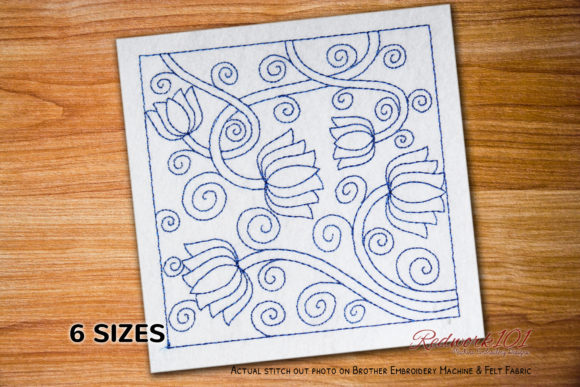
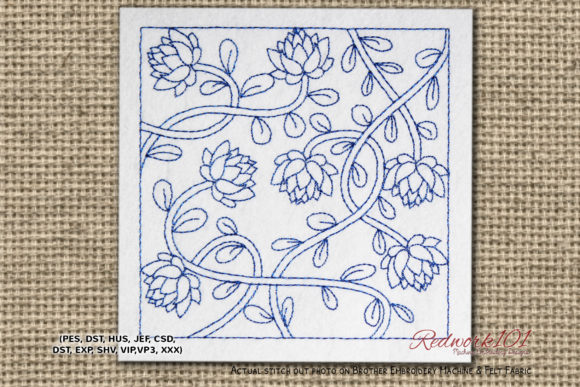
The immediate appeal of the Lotus Flower Branch Lineart Design lies in its clean, linear aesthetic. Unlike heavy satin-stitch florals that can feel dated or overly dense, this design embraces negative space. The lineart style gives it a modern, minimalist vibe that feels premium without being loud. For a boutique brand aiming for a "quiet luxury" or bohemian-chic identity, this embroidery file offers the perfect decorative strength. It feels both feminine and grounded, making it suitable for a wide range of demographics.
The mood is tranquil yet structured. The branching elements provide a natural flow that guides the eye, while the lotus motif adds a touch of spiritual or wellness-oriented symbolism. This makes it particularly effective for lifestyle brands focused on mindfulness, yoga, or sustainable fashion. It does not scream for attention; instead, it invites the wearer to look closer. This subtlety is often what separates a mass-produced garment from a high-end handmade product.
Applying the Design to Apparel Projects
I have been planning a small collection of sweatshirts and hoodies for my online shop, and I see significant potential for this design. Here is how it translates across different garments:
- Sweatshirt Embroidery: On neutral-colored cotton fleece, the lineart style pops beautifully. Because the design relies on lines rather than massive filled areas, it avoids the stiffness that can ruin the drape of a soft sweatshirt. It looks sophisticated placed slightly off-center on the left chest or as a larger back print.
- Hoodie Chest Placement: For a classic hoodie look, a smaller iteration of the branch works well here. It adds a focal point without overwhelming the silhouette. The clean lines ensure it remains legible even when stitched at a moderate scale.
- Sleeve Accents: The vertical nature of some branch elements makes them ideal for sleeve placements. Running the design down the length of a long-sleeve hoodie or sweatshirt creates a unique, custom look that stands out on social media.
- T-Shirt Embroidery: While t-shirts are thinner, the light stitch density of a lineart design minimizes puckering. It adds a professional touch to basic tees, elevating them from plain basics to statement pieces.
- Denim Jackets: Denim provides a sturdy canvas that holds structure well. A lotus branch embroidered on the back of a denim jacket looks rugged yet refined, appealing to customers who want durable, stylish outerwear.
- Tote Bags: For boutique merchandise, this design works exceptionally well on canvas totes. The botanical theme complements the eco-friendly nature of the bag, and the lineart style ensures the design doesn't get lost in the fabric texture.
Visual Consistency and Brand Identity
Using a cohesive design like the Lotus Flower Branch Lineart Design helps build strong brand identity. When customers see consistent visual language across your Etsy listings and social media graphics, trust increases. The design’s versatility allows you to create a unified look across different products, whether it’s a hoodie, a mug, or a printed poster. This visual consistency signals professionalism and attention to detail, which are key drivers for customer engagement.
Practical Considerations for Production
Before committing to a full production run, there are several technical aspects to consider. As an experienced designer, I always advise caution when moving from digital mockups to physical samples.
- Stabilizer Choice: Because this is a lineart design, it may require a cut-away stabilizer for stretchy fabrics like fleece to prevent distortion during stitching. For stable fabrics like canvas or cotton twill, a tear-away might suffice, but testing is crucial.
- Thread Color Contrast: The success of lineart depends heavily on contrast. On dark garments, white or metallic threads will make the design stand out sharply. On pastel hoodies, a tonal thread (e.g., grey on light grey) can create a subtle, textured effect. Avoid low-contrast combinations that might cause the design to disappear.
- Stitch Density Inspection: Although described as lineart, you must verify the actual stitch density. If the lines are too close together, they may merge into solid blocks, losing their delicate character. Conversely, if they are too sparse, the fabric may show through. Always inspect the digitization closely.
- Hoop Size Confirmation: Ensure the design fits within your standard hoop sizes if you are using automated machines. Large back designs may require multiple hooping steps or a larger commercial hoop.
- Fabric Texture: The texture of the fabric can affect the final look. Smooth cottons will render the lines crisply, while highly textured fabrics like boucle or heavy tweed may obscure fine details.
A Note on the Box Stitch
The product description mentions that a box stitch shown in the picture is optional and that the outer box color may vary. In my experience, optional elements can sometimes complicate the digitization process if they are not clearly separated. If you plan to use the box element, ensure it aligns with your aesthetic goals. If it feels cluttered, you can easily skip it in your embroidery software. Always check the Creative Fabrica product details for specific instructions on how to handle these optional components.
Where to Use Carefully
While versatile, there are areas where this design requires careful placement:
- Small Chest Placement: If scaled down too much, fine lines can become difficult to distinguish. Test a small version on scrap fabric to ensure clarity.
- Dense Stitch Areas: Avoid placing the design over seams, zippers, or ribbed cuffs, as the underlying thickness can distort the stitching.
- Curved Surfaces: Embroidering on curved surfaces like the shoulder of a tee or the curve of a hat brim requires precise stabilization and possibly a multi-head machine with flexible hoops. Flat surfaces are safer for beginners.
- Stretchy Fabric: On highly elastic materials, the lack of fill stitches in lineart designs can sometimes lead to less stability. Reinforce with appropriate backing.
Conclusion: Value and Versatility
The Lotus Flower Branch Lineart Design is a strong candidate for any commercial embroidery project focused on quality and aesthetics. Its ability to adapt to various garments—from cozy seasonal outfits to structured denim—makes it a valuable asset for small shop products. By paying attention to thread selection, stabilizer choice, and fabric compatibility, you can create finished products that exude professionalism and care.
For Etsy sellers and digital sellers, this design offers a way to differentiate your offerings. It is not just another floral print; it is a thoughtful, artistic interpretation that resonates with modern consumers. Remember to confirm all technical details, such as file formats and licensing terms, directly from the Creative Fabrica listing before selling your finished product. With proper execution, this design can help elevate your brand and connect with customers who appreciate the artistry of handmade apparel.