Orchid Embroidery Design Review for Seasonal Collections
As an embroidery designer who spends countless hours evaluating digital files for seasonal collections, I know that the difference between a good product and a bestseller often comes down to emotional resonance. When I first pulled up the Orchid design from the Baskets category, I immediately recognized its potential for upcoming holiday and celebratory product lines. This is not just another floral file; it is a versatile piece that bridges the gap between rustic charm and elegant sophistication. For Etsy sellers, small shop owners, and handmade gift makers planning their next limited-time drop, understanding how this machine embroidery design performs in real-world applications is crucial.
First Impressions: Mood and Aesthetic Appeal
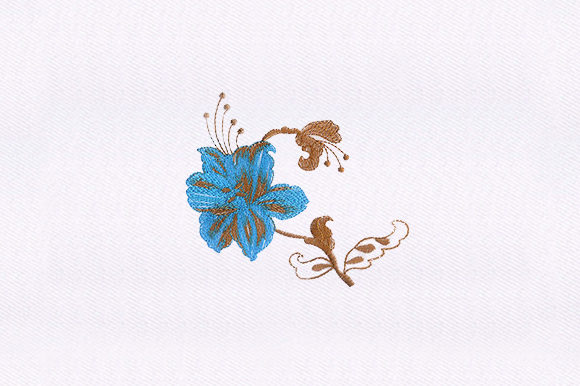
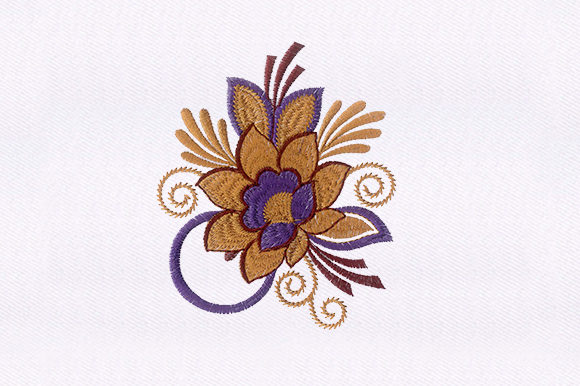
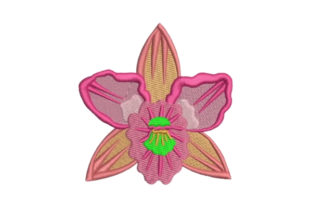
The Orchid design carries a distinct emotional tone that aligns perfectly with several key shopping periods. While orchids are often associated with luxury and romance, this specific rendition feels grounded and approachable. The lovely details mentioned in the product description suggest a level of intricacy that rewards close inspection, which is exactly what we want when customers are browsing through personalized gift options online or flipping through catalog pages at craft fairs.
In terms of style, the design strikes a balance. It is not overly delicate to the point of fragility, nor is it so bold that it overwhelms smaller garments. It feels nostalgic yet modern, making it suitable for a wide demographic. Whether you are targeting buyers looking for cozy home decor or those seeking premium apparel accents, the embroidery file offers a decorative flair that enhances rather than dominates the base item. This versatility is why I am considering adding it to my seasonal rotation alongside classic autumn motifs and spring florals.
Real-World Application: Where Orchid Shines
When building a cohesive collection, I look for designs that can be applied across multiple product types without losing their impact. The Orchid design excels in this area. Here is how I see it performing on various high-demand items:
- Sweatshirt Embroidery: Placed over the heart or on the back yoke, the orchid adds a touch of softness to heavy cotton blends. It works beautifully for family matching sets during winter holidays or as a unique statement piece for spring fashion drops.
- Tote Bag Design: Canvas totes are a staple for handmade gift bundles. The orchid’s detailed petals provide a nice contrast against the rough texture of canvas, elevating a basic accessory into a fashionable carry-all for farmers markets or university students.
- Kitchen Towel Embroidery: This is a massive seller during the fall and winter seasons. The floral motif brings warmth to the kitchen, and when paired with rustic thread colors, it fits seamlessly into farmhouse-style decor trends.
- Pillow Cover Accents: For home decor enthusiasts, placing the orchid on a linen or velvet pillow cover creates an instant focal point. It adds a layer of texture and visual interest that photographs well for social media previews and printable mockup graphics.
- Embroidered Patch: The defined shape of the flower makes it an excellent candidate for a detachable patch. These are highly popular among younger demographics who customize denim jackets and backpacks, offering a way to engage with the brand beyond a single purchase.
Furthermore, the design’s adaptability allows for creative bundling. Imagine a gift set that includes a embroidered tote, a matching kitchen towel, and a scented candle. The Orchid ties these disparate items together under a unified aesthetic, increasing perceived value and encouraging higher cart sizes.
Emotional Impact and Buyer Psychology
During holiday shopping periods, buyers are driven by emotion. They are looking for gifts that feel personal, thoughtful, and beautiful. A seasonal embroidery design like Orchid triggers feelings of care and attention to detail. When a customer sees intricate stitching on a pillow cover or a carefully stitched apron, they perceive higher quality and craftsmanship. This directly impacts customer trust and reduces hesitation at checkout. The visual recognition of a recognizable flower also provides a sense of familiarity and comfort, which is particularly appealing during stressful gifting seasons.
Practical Designer Notes: Technical Considerations
While the artistic vision is strong, any experienced designer knows that execution is everything. Before committing to mass production or listing the design in a digital store, there are several technical factors that must be addressed to ensure the finished product meets professional standards.
- Stitch Density and Hoop Size: You must verify the stitch density of the file. If the stitches are too tight, the fabric may pucker, especially on lighter materials like tea towels or thin sweatshirts. Conversely, if the density is too low, the fine details of the orchid petals may disappear. Confirm the recommended hoop size to ensure the design fits your target products comfortably without awkward placement.
- Thread Colors and Fabric Texture: Testing is non-negotiable. Run samples on both light and dark fabrics to see how the thread colors interact with the background. On a dark fleece sweatshirt, you may need a underlay or a different color palette to make the design pop. Pay close attention to the fabric texture; coarse weaves can obscure fine lines, while smooth silks might cause shifting if the stabilizer is not chosen correctly.
- Stabilizer Selection: Using the proper stabilizer is critical for maintaining the integrity of the design. Cut-away stabilizers are generally safer for stretchy garments like sweatshirts to prevent distortion after washing, while tear-away or wash-away options might suffice for stable home decor items like pillows.
- Small Detail Verification: After stitching, inspect the smallest elements of the orchid. Are the center details clear? Do the petal edges look clean? If the design relies on tiny lettering or very thin lines, it may not reproduce well on all machines or fabric types. Always create realistic mockups to preview how these details will translate to the final item.
Areas for Caution
There are certain scenarios where the Orchid design requires careful handling. Avoid using this design on extremely small hoop sizes unless you have tested the scaling extensively, as the "lovely details" may become muddy blobs. Similarly, be cautious when applying this to thick towels or heavily textured fabrics without adjusting the tension, as the needle penetration might be difficult. If you plan to use metallic threads to enhance the elegance of the orchid, remember that they require slower speeds and specialized setups to avoid breakage. Additionally, for items that need repeated washing, such as aprons or baby items, ensure the design is anchored properly to withstand the agitation of laundry cycles.
Final Verdict for Seasonal Sellers
The Orchid design is a strong contender for any commercial embroidery collection focused on holidays, birthdays, or seasonal transitions. Its ability to convey elegance and warmth makes it a valuable asset for small business owners looking to diversify their inventory. By paying attention to the technical nuances—such as stitch density, thread colors, and proper stabilizer use—you can transform this digital file into a tangible product that delights customers.
Remember to check the specific license terms before selling finished goods, and always prioritize quality control in your production process. With the right preparation, the Orchid design can help you create memorable personalized gift experiences that resonate with buyers long after the holiday season ends. Whether you are decorating kitchen towels, customizing tote bags, or enhancing pillow covers, this design offers the perfect blend of beauty and practicality for today’s handmade market.