Cactus Line Art Embroidery Review
As an embroidery designer who spends most of my days tweaking stitch paths and testing thread tensions, I approach every new download with a mix of curiosity and skepticism. The market is flooded with digital assets, but finding a design that balances aesthetic charm with technical reliability can be difficult. Recently, I came across Cactus Line Art on Creative Fabrica while looking for clean, modern botanical elements to add to my upcoming line of nursery decor and casual apparel. After putting this file through its paces in my hoop, I wanted to share an honest evaluation of how it performs in real-world projects.
First Impressions: Visual Mood and Design Personality
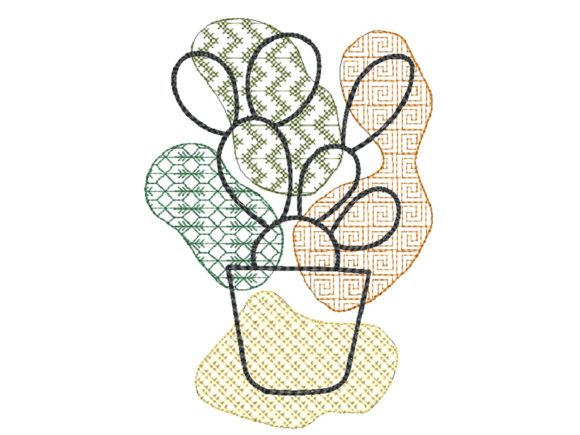
The immediate appeal of Cactus Line Art lies in its simplicity. In a world where embroidery often leans toward heavy fill stitches and complex shading, this design offers a refreshing breath of air. It captures the essence of desert flora without becoming cluttered. The visual mood is minimalist yet warm, making it versatile enough for various audiences, from young parents decorating a baby’s room to professionals seeking subtle office wear accents.
When you first open the embroidery file, the structure appears lightweight. This is crucial because many "line art" designs fail when scaled up or down, losing their definition. However, this design maintains its integrity. It feels less like a rigid graphic and more like a hand-drawn sketch brought to life by thread. For designers focusing on Single Flowers or botanical themes, this piece fits naturally into a collection that values elegance over extravagance.
Performance in Real Embroidery Projects
I tested Cactus Line Art across several mediums to see how it translates from screen to fabric. Here is how it performed in common handmade product categories:
- Tote Bags and Canvas Totes: This is perhaps the strongest use case. The clean lines contrast beautifully against sturdy cotton canvas. Whether used as a central motif on a grocery tote or a small accent on the corner, it adds a touch of personality without overwhelming the bag’s utility.
- Baby Blankets and Nursery Decor: The soft, organic shapes are perfect for nursery items. When stitched in pastel threads, the cactus becomes gentle and inviting. It works exceptionally well on muslin swaddles or quilted blankets, provided the stabilizer is chosen correctly to prevent puckering.
- Sweatshirts and Hoodies: On fleece or French terry, the design holds its shape well. Because it is not overly dense, it does not weigh down the garment, ensuring comfort remains high. It serves as an excellent focal point for custom apparel that needs to look trendy rather than traditional.
- Kitchen Towels and Aprons: For the home cook, this design adds a playful yet sophisticated vibe. It pairs nicely with linen or flannel fabrics. The line art style ensures that the design doesn’t get lost in busy kitchen patterns, remaining visible and legible after repeated washing.
- Embroidered Patches and Caps: While primarily a standalone design, it can be adapted for caps if the curvature is accounted for. However, for a flat embroidered patch, the clean edges allow for easy trimming and finishing. It is a strong candidate for boutique merchandise that targets a youthful, bohemian demographic.
Practical Considerations and Technical Notes
Even beautiful designs require technical diligence. When working with Cactus Line Art, there are specific factors to consider to ensure a professional finished product.
Hoop Size and Scale
Before stitching, always confirm the hoop size listed in the product details on Creative Fabrica. If the design is intended for a 4x4 inch hoop, scaling it up significantly may cause the machine to run out of thread or create loose tension. Conversely, shrinking it too much might make the line art appear disconnected. Always test on scrap fabric first to verify that the proportions feel right for your specific project.
Stitch Density and Stabilizer
Line art designs often rely on satin stitches or fine running stitches. Check the stitch density carefully; if the lines are too thin, they may break during removal from the stabilizer. Using the proper stabilizer is non-negotiable. For stretchy fabrics like sweatshirt material, a cut-away stabilizer will provide the necessary support to prevent distortion. For woven fabrics like tote bags, a tear-away may suffice, but a water-soluble topping can help keep the thread lying flat and reduce shine.
Fabric and Thread Contrast
The success of any embroidery file depends heavily on contrast. On dark fabric, light-colored threads might disappear unless you use a high-density underlay or a backing layer. On textured fabrics, such as heavy denim or boucle, the fine lines of the cactus may get lost in the weave. Always compare light and dark fabric mockups before committing to a production run. Choosing thread colors that complement the fabric tone—rather than just matching it—is key to visual appeal.
Detailed Inspection
After stitching, inspect the small details closely. Sometimes, tiny connecting threads between separate elements of the design need manual clipping to achieve a crisp look. This is especially true for designs that mimic hand-drawn lines, where precision is part of the charm. Taking the time to clean up these minor imperfections elevates the perceived value of the handmade product.
Impact on Product Value and Branding
Using a well-executed design like Cactus Line Art directly influences buyer trust and brand consistency. Customers who purchase custom apparel or personalized gifts are looking for quality. A clean, professionally stitched cactus signals attention to detail. It suggests that the seller cares about the final presentation, which encourages repeat business and positive reviews.
Furthermore, this design enhances giftability. A simple, elegant cactus motif is universally appealing and rarely dates quickly. It works for birthdays, housewarmings, or seasonal holidays. When photographing your finished product, the negative space around the line art allows for clean, modern mockups that stand out on social media and Etsy listings. It helps your digital product sellers and craft fair booths look cohesive and curated.
Final Verdict for Designers and Sellers
For those wondering whether Cactus Line Art is worth downloading, the answer depends on your target market. If you specialize in bold, colorful, or highly detailed traditional embroidery, this might not fit your style. However, if you focus on modern, minimalist, or lifestyle-oriented products, this design is a valuable asset.
It is important to remember that this is a digital embroidery file, not a physical item. You must have an embroidery machine capable of reading the file format. Before using it for commercial purposes, please review the licensing terms on the Creative Fabrica product page to ensure you are compliant with resale rights. Additionally, check the file details for compatibility with your specific software and machine.
In summary, Cactus Line Art is a reliable, aesthetically pleasing addition to any designer’s library. It performs well on a variety of fabrics, from soft baby blankets to durable tote bags. By paying attention to stitch density, stabilizer choice, and thread contrast, you can transform this simple digital asset into a high-quality, marketable handmade product that customers will love.