Red Rose Embroidery Review: A Craft Fair Seller’s Perspective
As an embroidery designer who spends weekends navigating the hustle of craft fairs and handmade markets, I have learned that a design’s success is not just about how it looks on a screen. It is about how it performs under the bright lights of a booth, how it catches the eye of a passerby, and whether it holds up as a craft fair product that customers are willing to add to their cart. When I first reviewed the Red Rose design, my immediate question was simple: does this piece have the visual weight and versatility required to stand out in a sea of handmade goods?
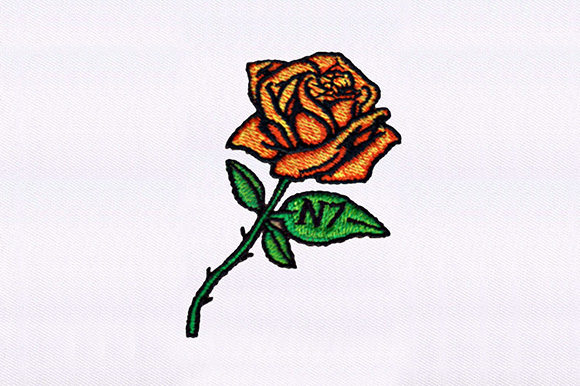
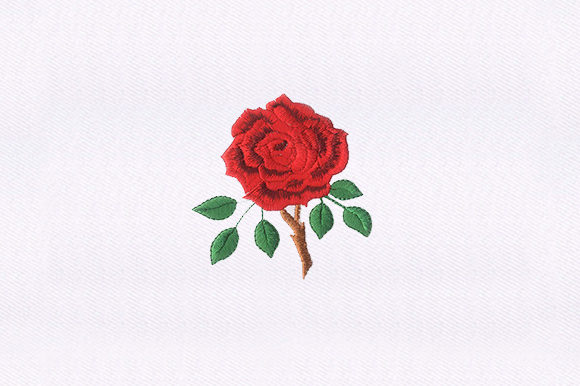
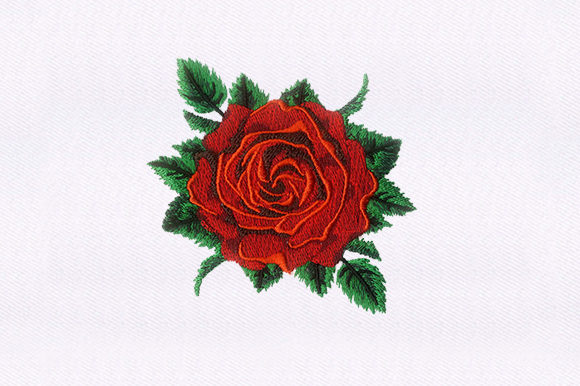
The description labels the Red Rose as a high-quality, elegant machine embroidery intended to give a personal touch to fabric and clothing. While those are standard descriptors, they hint at a design that leans toward classic beauty rather than trendy minimalism. In this review, I will break down why this embroidery file works for specific products, where it might struggle, and how to position it for maximum sales appeal.
First Impressions: Elegance Meets Market Appeal
When you look at a machine embroidery design like the Red Rose, you are looking for immediate recognition. The title suggests a singular, bold focal point. For a Etsy seller or a boutique maker, this means the design has the potential to serve as a premium accent. It feels timeless. Unlike fleeting trends, a red rose evokes romance, nature, and classic femininity. This makes it highly versatile for seasonal markets, particularly around Valentine’s Day, Mother’s Day, and weddings, but its elegance allows it to sell year-round as a sophisticated addition to home decor.
The key here is the word "elegant." This implies that the design likely features smooth satin stitches for the petals and perhaps some fill stitches for depth. From a production standpoint, this suggests a design that photographs beautifully. On social media and in printable mockup listings, a well-executed floral design draws the eye because of its texture and color contrast. If executed correctly, the Red Rose becomes more than just a decoration; it becomes a statement piece that elevates the perceived value of the finished product.
Product Applications: Where Red Rose Shines
To maximize the return on your digital assets, you need to know which small shop product categories align best with this specific aesthetic. Here is how the Red Rose translates to physical items:
- Tote Bags and Market Bags: A single red rose placed centrally or slightly off-center on a canvas tote bag is a classic combination. It adds a pop of color against neutral backgrounds like cream, black, or denim. This is a staple tote bag design that appeals to a wide demographic, from students to professionals.
- Apron Embroidery: For kitchen enthusiasts, placing the rose near the pocket or centered on the bib of an apron creates a charming, farmhouse-style look. This fits perfectly into the trend of personalized kitchen gifts.
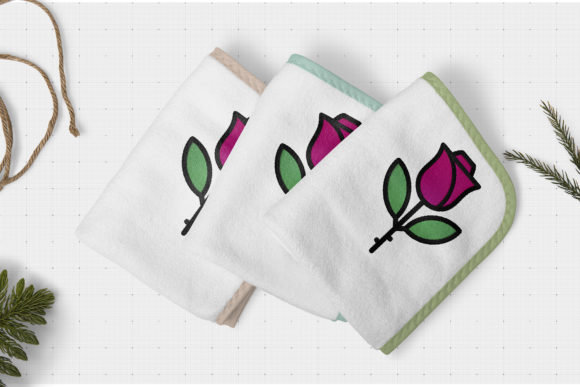
- Tea Towel Embroidery: Linen or cotton tea towels provide a soft, matte background that contrasts nicely with shiny embroidery threads. The Red Rose works exceptionally well here, offering a subtle yet decorative touch that feels luxurious.
- Embroidered Patch: Converting the Red Rose into a patch allows for incredible versatility. Customers can attach these to backpacks, jeans, or hats. Patches are low-cost entry points for buyers, making them excellent impulse-buy items at a craft fair booth.
- Caps and Beanies: Curved surfaces present a challenge, but a well-sized rose design can wrap beautifully around the front panel of a baseball cap or sit prominently on a beanie. Just ensure the hoop size accommodates the curve without distortion.
- Pillow Covers and Home Decor: Larger formats allow the design to breathe. On a throw pillow, the rose can be larger, showcasing the intricate details of the petals. This positions the item as a higher-ticket gift option.
Production Realities and Technical Considerations
As a designer, I cannot stress enough the importance of testing before you commit to bulk production. Even the most beautiful digital embroidery file can fail if technical details are ignored. Here are critical factors to consider when working with the Red Rose:
Stitch Density and Fabric Texture
Floral designs often require varying stitch densities to create depth. Check the stitch density of the rose petals. If the density is too high, the fabric may pucker, especially on lightweight materials like thin cotton or silk. Conversely, if it is too low, the fabric backing may show through. Always test on scrap fabric that matches the texture of your final product. For example, the rougher texture of a burlap tote bag will absorb thread differently than the smooth weave of a linen apron.
Thread Colors and Contrast
The impact of a red rose depends entirely on the background. Ensure you have a range of thread colors available. A bright crimson rose pops against white or navy, while a deeper burgundy offers a more muted, vintage feel against beige or gray. Poor contrast is the number one reason customers hesitate to buy; the design must be clearly visible from a distance.
Stabilizer Selection
Using the right stabilizer is non-negotiable. For woven fabrics like cotton aprons and tea towels, a cut-away stabilizer provides the necessary support to prevent shifting during stitching. For knits or stretchy fabrics, such as caps or jersey tote bags, a tear-away or water-soluble stabilizer might be preferred to maintain flexibility. Incorrect stabilizer choice can lead to misaligned stitches or damaged fabric.
Size and Clarity
Be mindful of the smallest size you plan to produce. Tiny details in a rose design, such as small stamens or delicate petal edges, can become muddy or lost if scaled down too much. If the design includes lettering, ensure it remains legible. A good rule of thumb is to avoid stitching text smaller than 0.5 inches in height unless the font is specifically designed for small sizes.
Selling Strategy: Boosting Visual Appeal and Brand Consistency
For commercial embroidery businesses, consistency is key to building a brand. The Red Rose design, with its elegant and timeless theme, helps establish a cohesive look across your product line. Whether it appears on a pouch, a pillow, or a tote, the recurring motif signals quality and attention to detail.
When preparing for a craft fair, display your products strategically. Group similar items together to create a visual impact. Use lighting to highlight the texture of the embroidery. Since the Red Rose is described as giving a "personal touch," emphasize customization options. Offer different thread colors or fabric choices to allow customers to personalize their purchase. This engagement tactic can significantly increase conversion rates.
Furthermore, leverage the design for online marketing. Create high-resolution images that zoom in on the stitch work. Show the product in use—such as the rose-adorned apron in a cozy kitchen setting—to help customers visualize ownership. These design assets are crucial for driving traffic to your Etsy shop or website.
Final Verdict and Next Steps
The Red Rose is a strong contender for any crafter looking to expand their inventory with elegant, versatile pieces. Its ability to adapt to various products, from practical kitchen items to fashionable accessories, makes it a valuable asset. However, success lies in execution. Take the time to test the design thoroughly, experiment with thread combinations, and ensure your production process is streamlined for efficiency.
Before launching your collection, remember to check the commercial licensing terms associated with the embroidery file. Verify the recommended hoop size and confirm that you have the necessary equipment to handle the design’s requirements. By paying attention to these details, you can transform a simple digital pattern into a profitable line of handmade products that resonate with customers and stand out in the competitive world of craft fairs and online marketplaces.