Flower with Branch Bluework Review
As an embroidery designer who has spent years refining designs for small business merchandise, I look at every file with a critical eye. It is not enough for a design to simply "look nice" on a screen; it must translate flawlessly into thread, hold up to wear and washing, and enhance the brand identity of the business wearing it. Today, I am reviewing Flower with Branch Bluework, a design categorized under Bouquets and Embroidery that promises floral elegance with structural elements. This review focuses on its viability for commercial applications, including embroidered patches, branded uniforms, and custom apparel.
First Impressions: Visual Personality and Brand Fit
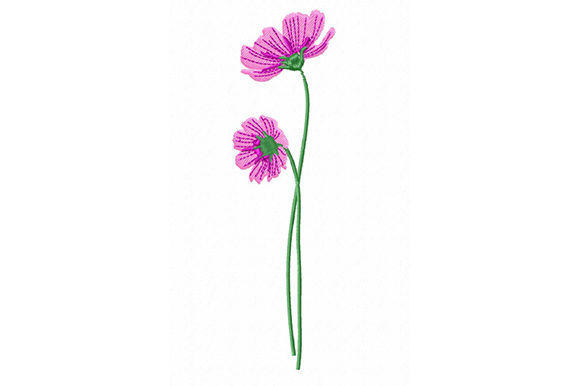
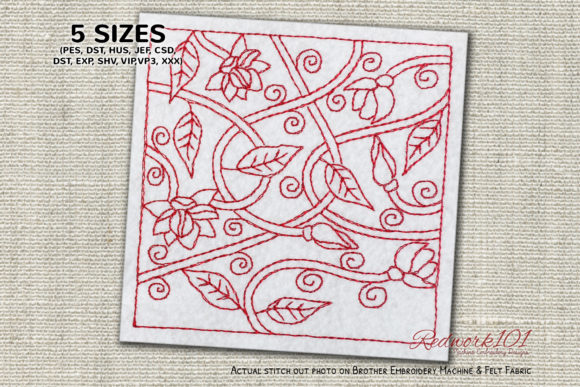
The title Flower with Branch Bluework suggests a design that balances organic softness with structured detail. Based on the description—flowers looking adorable with leaves on a tree branch in the garden—the aesthetic leans toward rustic charm, handmade warmth, and classic elegance. For small business owners, particularly those in the floral, bakery, or boutique sectors, this visual personality is highly marketable.
The mention of "Bluework" implies a specific color palette, likely utilizing various shades of blue thread to create depth and contrast. This is a strategic choice for branding, as blue often conveys trust, calm, and professionalism. However, the "adorable" nature of the flowers also keeps the design approachable and friendly, making it suitable for customer-facing roles like apron embroidery or tote bag design where you want to appear welcoming rather than corporate.
Real-World Business Applications
In my experience, a successful machine embroidery design must serve multiple purposes. Here is how Flower with Branch Bluework performs in real business scenarios:
- Embroidered Patches: The description notes that a Box Stitch shown in the picture is optional. This is crucial for patch creation. If the outer box is used, it provides a clean border that prevents fraying and gives a finished look to badges worn on caps, work shirts, or backpacks. Without the box, the design relies more on negative space, which can be effective but requires careful hooping.
- Staff Uniforms and Aprons: For café staff or boutique employees, this design offers a subtle yet distinctive mark. Placed on the left chest or centered on an apron, it elevates the uniform from generic to branded. The branch element allows for vertical placement that flatters the torso, while the floral aspect adds a touch of artisanal quality.
- Tote Bag Design: Canvas totes are a staple for handmade brands and Etsy sellers. Flower with Branch Bluework works well here because the linear branch structure guides the eye across the bag without overwhelming the fabric. It serves as a perfect logo accent for shopping bags, reinforcing brand recognition every time a customer carries their purchases.
- Cap Embroidery: Caps require compact, high-contrast designs. If the stitch density of this file is manageable, it could serve as a side-panel logo or a front-center emblem. The natural theme aligns perfectly with outdoor brands, florists, and eco-conscious businesses.
- Product Packaging Accents: Beyond apparel, this digital embroidery file can be used on product tags, hang tags, or even directly onto fabric gift boxes. It adds a tactile, premium feel that digital printing cannot replicate, increasing the perceived value of the handmade product.
Where to Use Carefully: Limitations and Risks
No design is universal. As a professional, I must highlight areas where Flower with Branch Bluework might face challenges if not prepared correctly:
- Small Patch Sizes: If you plan to reduce this design to less than 2 inches, detail loss is inevitable. The individual petals and leaf veins may merge into indistinct blobs. Always test at the final production size before committing to bulk orders.
- High Stitch Density: Floral designs can sometimes become stiff if the stitch count is too high. On delicate fabrics like silk or thin cotton, excessive density can cause puckering. Ensure you use the correct stabilizer (likely cut-away for stability) to maintain the integrity of the finished product.
- Dark Uniforms and Fabric Texture: The effectiveness of the "bluework" depends heavily on thread color contrast. On dark backgrounds, light blue threads may disappear unless a dense underlay is used. Similarly, on highly textured fabrics like heavy denim or fleece, fine details may get lost in the weave.
- Curved Surfaces: While caps and sleeves are curved, extreme curvature can distort the branch line. Digitizing for curves requires specific techniques to ensure the design does not stretch or warp during stitching.
Impact on Brand Identity and Customer Trust
Embroidery is inherently associated with durability and quality. When a customer sees Flower with Branch Bluework stitched onto a product, they subconsciously associate that permanence with your brand’s reliability. A well-executed embroidered patch signals that you care about details, which builds customer trust and enhances brand identity.
Furthermore, the "handmade" aesthetic of floral motifs helps humanize a business. In a market saturated with mass-produced goods, this design allows small businesses to stand out by offering a sense of craft and care. It supports visual consistency across various touchpoints—from social media graphics to physical merchandise—creating a cohesive brand experience that drives buyer engagement.
Practical Designer Notes for Production
Before adding Flower with Branch Bluework to your production queue, follow these essential steps to ensure success:
- Test in Black and White: Convert the design to monochrome to check contrast levels. If the branches and flowers blend together without color, the design may lack definition.
- Check Hoop Size: Confirm the maximum hoop size required by the file. Ensure it fits your available equipment, especially if you are embroidering large items like jackets or oversized totes.
- Review Thread Color Contrast: Select thread colors that pop against your target fabric. Test different blue shades to see which provides the best visibility and aesthetic appeal.
- Inspect Spacing and Density: Zoom in on the digitized file. Are there any areas where stitches overlap excessively? Is the spacing between the branch and the flowers balanced?
- Create a Printable Mockup: Before running actual fabric, generate a printable mockup to visualize the design on your specific products. This helps clients approve the look and avoids costly mistakes.
- Confirm Commercial Licensing: Most importantly, verify the licensing terms of the embroidery file. Ensure you have the right to use Flower with Branch Bluework for commercial sale of merchandise. Unauthorized use can lead to serious legal issues.
- Stabilizer Selection: Choose a stabilizer appropriate for your fabric weight. Lightweight fabrics need lightweight stabilizers, while heavy-duty items like denim caps require robust support to prevent distortion.
In conclusion, Flower with Branch Bluework is a versatile and charming design asset for small businesses seeking to add a touch of elegance and professionalism to their merchandise. By understanding its strengths and limitations, and by following proper digitization and production protocols, you can leverage this design to create high-quality, branded products that resonate with your customers.