Flower Quilting Review
As an embroidery designer who spends countless hours testing digitizing files before they hit my own shop, I approach every new design with a mix of excitement and skepticism. When Flower Quilting landed in my inbox, I didn’t just look at the preview image; I looked at its potential as a sellable, meaningful product. For those of us running small businesses, Etsy shops, or custom order services, the difference between a pretty picture and a profitable, reliable machine embroidery design is often in the details. After stitching several test samples on various fabrics, here is my honest review of how this design performs for personalized gift products.
First Impressions: Mood and Charm
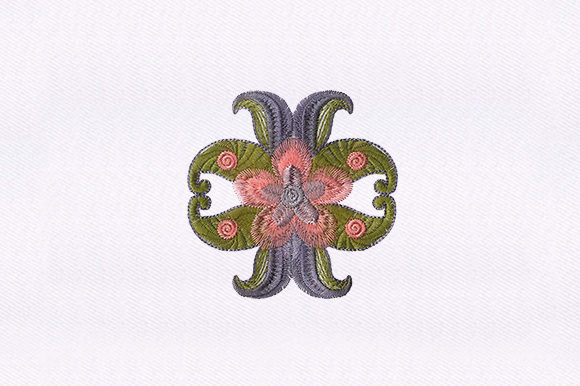
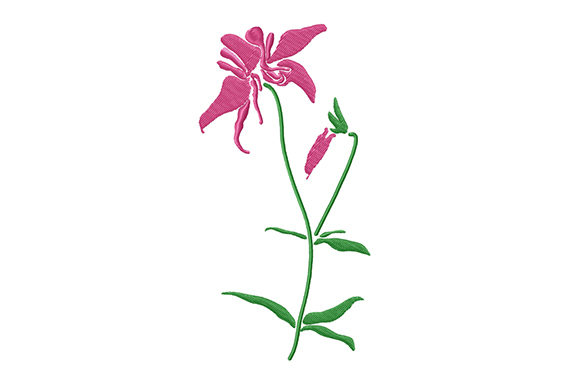
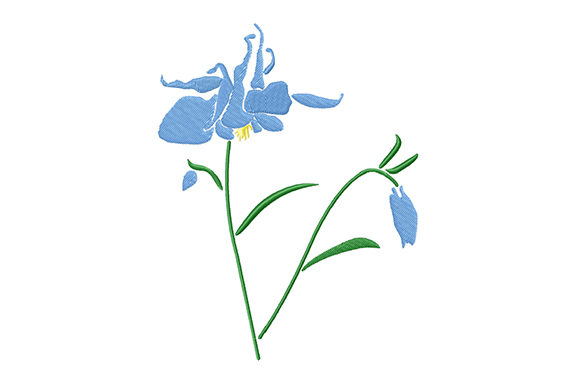
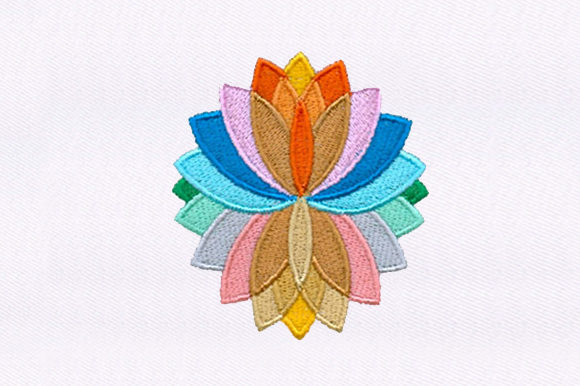
The name Flower Quilting suggests a blend of rustic charm and structured elegance. From a visual standpoint, the design strikes a balance that is hard to find in modern digital files. It feels sweet without being overly childish, and elegant without feeling stiff. The petals have a distinct texture that mimics the look of hand-quilted fabric, which adds depth to the final stitch work. This is not a flat, basic outline; it has volume and movement.
For a personalized gift, emotional appeal is everything. This design evokes feelings of warmth, nostalgia, and care. It feels handmade, even though it was created by a machine. This perception is crucial for Etsy sellers and handmade sellers because customers are paying for that artisanal feel. Whether you are creating items for a baby shower, a wedding, or a housewarming, Flower Quilting carries a romantic and classic vibe that appeals to a wide demographic. It fits seamlessly into categories like nursery decor, kitchen textiles, and bridal accessories.
Product Applications and Giftability
One of the strongest aspects of this embroidery file is its versatility across different product types. I tested this design on several common gift items to see how it translated from screen to fabric.
- Baby Embroidery: On soft cotton muslin or flannel, the design shines. It is perfect for blanket embroidery, burp cloths, or milestone blankets. The gentle curves are soothing to the eye, making it an ideal choice for baby product creators. However, keep the thread colors soft—pastels or creams—to maintain that tender aesthetic.
- Kitchen and Home Textiles: I found this design particularly effective on embroidered towel projects. A set of monogrammed kitchen towels featuring Flower Quilting makes for a high-value housewarming gift. The design’s structure holds up well against the textured weave of terry cloth, provided you use the right stabilizer. It also looks stunning on linen pillow covers, adding a touch of farmhouse chic to any dining room.
- Wedding Keepsakes: For wedding gift designers, this design offers a timeless option. Imagine embroidered guest books, robe sets for the bridal party, or decorative pillows for the newlywed home. The classic nature of the flower motif ensures it won’t look dated in five years, increasing the perceived value of the finished product.
- Custom Tote Bags and Aprons: If you are selling to craft fairs or online markets, canvas tote bags and flour sack aprons are excellent canvases. The design provides enough visual weight to stand out on these larger surfaces without looking cluttered. It signals quality to the buyer, suggesting that the item was made with care.
Where Caution Is Required
While Flower Quilting is a versatile design, no single file works perfectly on every surface. As an experienced designer, I must highlight areas where you need to exercise caution to avoid customer returns or dissatisfaction.
- Fabric Texture and Thickness: While it works on standard towels, extremely thick or highly textured fabrics can obscure the finer details of the flower petals. Always stitch a test sample on your specific bulk material. If the fabric is too dense, the stitches may pucker or the needle may break.
- Stretchy Fabrics: Be careful when using this design on stretchy baby clothes or jersey knits. Without proper stabilization, the quilted look might distort as the fabric stretches. Use a cut-away stabilizer for best results on knitwear.
- Small Details and Lettering: If you plan to add small lettering or very delicate inner details to this design, ensure your machine’s precision is high. On dark fabrics or busy patterns, tiny stitches can get lost. I recommend avoiding placing intricate elements near the edge of the hoop where tension might vary.
- Durability and Washing: For items that will undergo frequent washing, such as daily-use aprons or children’s blankets, check the stitch density. If the density is too high, the fabric may become stiff after multiple wash cycles. Test the durability by washing your sample pieces to see if the threads hold up or if the backing shows through.
Practical Embroidery Notes for Success
To ensure your Flower Quilting designs result in happy customers and positive reviews, follow these practical steps before producing large batches.
First, always test on scrap fabric. This is non-negotiable. Check how the design interacts with the grain of the fabric and how the stabilizer affects the hand-feel of the final item. Second, pay close attention to thread color contrast. The beauty of this design lies in its shading and depth; using low-contrast threads can flatten the effect. Experiment with light and dark fabric mockups to see which combination highlights the petal textures best.
Confirm your hoop size matches the design dimensions. If the design is large, ensure your machine can handle the jump stitches efficiently to minimize trimming time. Review the stitch density in your digitizing software; if it seems heavy, consider reducing it slightly for softer fabrics to prevent puckering. Finally, verify that you have the correct commercial licensing to sell finished products. Most reputable sources provide clear terms, but it is your responsibility as a business owner to protect your brand.
Impact on Sales and Customer Trust
In the world of digital product sellers and small shop owners, photography is key. A well-executed Flower Quilting design photographs beautifully. The texture catches the light, creating shadows that make the product look three-dimensional and tangible. This enhances buyer engagement and trust. When a customer sees a crisp, well-stitched flower on a high-quality photo, they perceive higher value and are more likely to convert.
Furthermore, offering custom embroidery with a charming design like this allows you to build an emotional connection with your buyers. People don’t just buy a towel; they buy a memory of a wedding, a celebration of a birth, or a token of friendship. By ensuring your machine embroidery design is flawless, you are delivering on that promise. Use printable mockups during the planning phase to visualize the end result, but rely on real stitched samples for your final marketing materials.
In conclusion, Flower Quilting is a strong addition to any library of Single Flowers and Embroidery assets. It is reliable, aesthetically pleasing, and commercially viable. With proper preparation and attention to fabric choices, it can elevate your personalized gift offerings from simple crafts to cherished keepsakes. Happy stitching!