Duck and Flower Embroidery Review
As an embroidery designer who has spent years translating digital concepts into tactile reality, I approach every new design file with a mix of excitement and skepticism. The market is saturated with generic clip art disguised as stitch files, so finding a piece that truly resonates with a specific aesthetic is rare. Today, I am reviewing Duck and Flower, a design that promises a charming narrative suitable for a boutique sweatshirt collection. This isn't just about placing ducks on fabric; it is about evaluating whether this scene holds the visual weight and emotional appeal necessary to drive sales in a competitive handmade marketplace.
First Impressions: Mood and Narrative
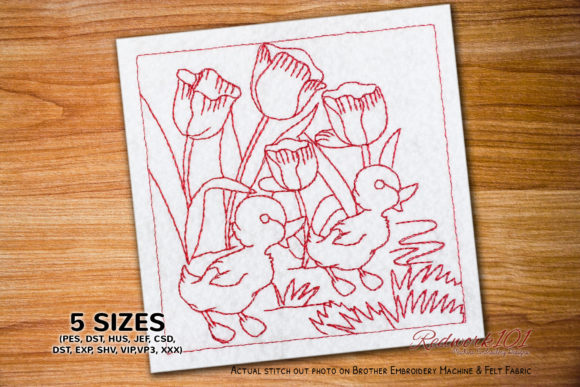
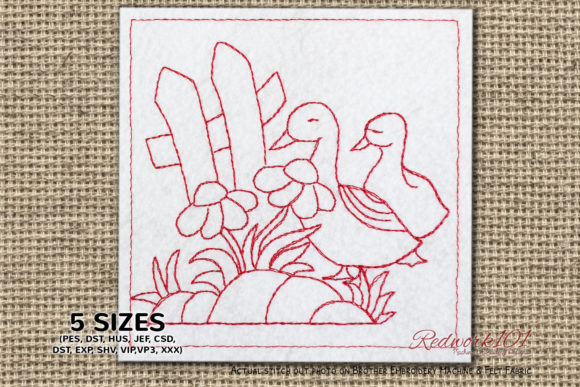
The title Duck and Flower suggests simplicity, but the description reveals a layered composition that elevates it beyond a standard logo. We are looking at a duck and duckling walking in a garden, framed by a gate, flowers, and trees. For a small clothing brand or an Etsy seller, this narrative depth is crucial. It tells a story of nature, nurturing, and gentle movement. When I first visualize this on a premium sweatshirt, the mood feels rustic yet playful. It avoids the overly childish look of cartoonish characters, leaning instead toward a whimsical, lifestyle-oriented aesthetic that appeals to adults who appreciate subtle, artistic details.
The inclusion of the optional box stitch adds a structural element that can either ground the design or clutter it, depending on execution. If executed well, the box provides a frame that mimics a vintage patch or a garden gate, enhancing the "boutique" feel. The note that the outer box is a different color allows for strategic contrast, which is a smart feature for designers looking to create visual hierarchy without adding excessive complexity.
Application on Sweatshirts and Hoodies
Sweatshirt embroidery presents unique challenges compared to t-shirts. The fabric is thicker, the texture is more pronounced, and the drape is heavier. Here is how Duck and Flower translates across various apparel types:
- Neutral Sweatshirts: On heather grey or oatmeal fabrics, the natural tones of the garden scene will pop beautifully. The thread colors need to be vibrant enough to stand out against the textured fabric but muted enough to maintain a sophisticated look.
- Dark Fabric: Placing this design on black or navy requires careful attention to light threads. The white or cream highlights in the ducklings' feathers and the flower petals must have sufficient coverage to avoid looking thin or scratchy.
- Pastel Colors: Pastel hoodies offer a soft canvas where Duck and Flower can shine as a delicate accent. This combination screams spring and summer collections, perfect for limited edition drops.
- Oversized Hoodies: For oversized fits, chest placement works best if the design is scaled appropriately. The narrative of the garden path leading to a gate draws the eye inward, creating a cozy, inviting focal point.
This design is versatile enough for sleeve accents or back designs, though the rectangular nature of the garden scene suggests a centered chest or back placement is optimal. As a hoodie design, it balances cuteness with style, avoiding the "novelty gift" trap that often limits commercial viability.
Technical Evaluation for Commercial Use
From a technical standpoint, several factors determine whether Duck and Flower is ready for mass production. First, consider the stitch density. Garden scenes with multiple elements like trees, gates, and flowers can easily become too dense, leading to stiff fabric and needle breakage. A professional review suggests checking that the background elements use lighter fill stitches or satin outlines to keep the garment comfortable.
Fabric texture plays a significant role here. On fleece or heavy cotton blends, fine details might get lost. Therefore, the line work defining the ducklings and the gate must be bold enough to remain legible. If the design relies on tiny running stitches for grass or leaves, those areas may not hold up well after washing. Conversely, if the design uses substantial fills, it will feel luxurious and durable, increasing the perceived value of the finished product.
Stabilizer choice is critical. For a stable hoop placement on a sweatshirt, a cut-away stabilizer is non-negotiable to prevent distortion during the stitching process and to ensure longevity. The hoop size must accommodate the entire garden scene without requiring re-hooping, which can misalign the design. Designers should verify the exact dimensions before committing to production runs.
Thread Color Contrast and Visual Impact
The optionality of the box stitch is a double-edged sword. While it allows for customization, it also introduces risk. If the outer box color clashes with the inner garden scene, the design can look disjointed. I recommend testing the box in a contrasting neutral, such as sage green or terracotta, to complement the floral elements. The thread colors must be chosen to enhance the three-dimensional feel of the ducks and the softness of the flowers. High-quality polyester threads will reflect light better than rayon, making the design appear richer on matte sweatshirt fabrics.
Marketing and Brand Identity
In the world of custom apparel and digital sellers, presentation is everything. Duck and Flower lends itself well to lifestyle product photography. Imagine the sweatshirt draped over a chair in a sunlit room, surrounded by actual potted plants. The design’s garden theme creates a cohesive visual story that boosts customer engagement. For an Etsy seller, this level of thematic consistency helps build a recognizable brand identity.
The design also supports high-value positioning. Because it features a complex scene rather than a simple icon, it justifies a higher price point. Buyers perceive it as a handmade product with care and detail, even if it is machine-embroidered. This perception builds trust and encourages repeat purchases. Furthermore, the design assets can be used in printable mockups to preview how the embroidery interacts with different fabric textures, helping customers visualize the final item before buying.
Practical Considerations for Boutique Brands
Before integrating Duck and Flower into your inventory, there are essential checks to perform. Since the prompt does not specify the exact stitch count or file format, you must obtain these details from the designer. Knowing the stitch count helps calculate production time and cost accurately. Similarly, verifying the hoop size ensures compatibility with your embroidery machines.
Washing durability is another key concern. Ensure that the design includes proper underlay stitches to secure the top layers, especially in the larger fill areas like the trees and gate. This prevents puckering and keeps the embroidery flat against the fabric. For commercial embroidery operations, efficiency matters, so a design that stitches quickly without sacrificing quality is ideal.
Finally, consider the target audience. Does your small shop product cater to parents, gardeners, or nature lovers? Duck and Flower hits all these niches. It is feminine, rustic, and playful, making it a safe yet distinctive choice for a diverse customer base. By focusing on the emotional connection the design evokes, you can create marketing copy that resonates deeply with buyers.
Conclusion
Duck and Flower is more than just a cute animal motif; it is a comprehensive scene that offers versatility and charm. With careful attention to thread selection, stabilizer usage, and placement, this design can elevate a standard sweatshirt into a statement piece. For embroidery designers and boutique owners alike, it represents a solid investment in a collection that values storytelling and quality. Always remember to check the technical specifications—such as file format and hoop size—before production, but visually and emotionally, this design is ready to make a splash in your next drop.